Commercial & Agricultural Roofing in Logan, Utah
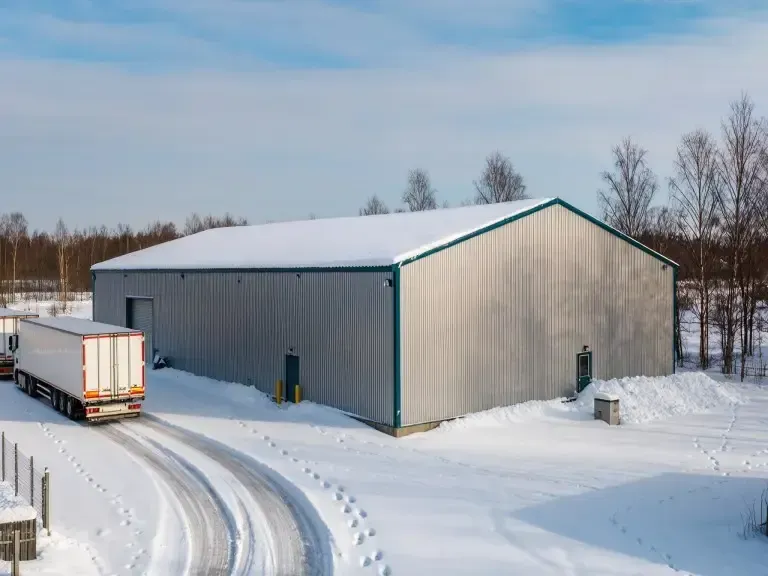
A commercial roof in Cache Valley has a harder job than a commercial roof almost anywhere else in Utah. It carries snow for months instead of shedding rain in an afternoon, it drains through internal drains and scuppers that can freeze solid in January, and it does all of it while the building underneath stays open for business. Farm buildings have it harder still: long spans engineered decades ago, ammonia and moisture working on the steel from the inside, and a failure mode that isn't a leak but a collapse in the middle of calving season.
Cache Valley Roofing works both sides of that. Low-slope membrane systems, coatings, and maintenance programs for the retail, office, warehouse, and shop buildings from Logan's Main Street corridor out to the industrial parks along Highway 89/91. And steel panel re-roofs, fastener service, and structural triage for the dairies, hay barns, machine sheds, and equipment buildings out through Amalga, Trenton, Lewiston, Clarkston, and Cornish. Same crews, same documentation, same free assessment.
Get Your Free Commercial Roof Assessment
Repair, Restore, or Replace? The Three-Rung Decision
Repair
For localized failures on a roof with real service life left. Seam splits, punctures, failed penetration flashing, one section of blistered membrane. Typically $500–$3,000 per incident.
Restore
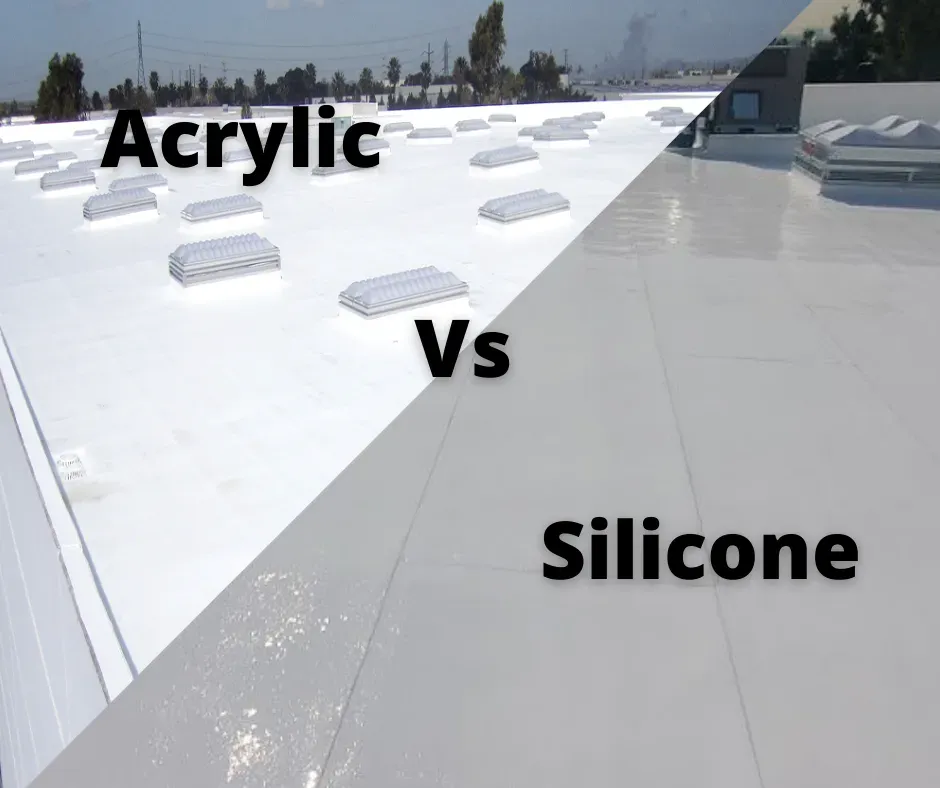
For a structurally sound roof with dry insulation, where the membrane is aging but not failed. A high-solids silicone or acrylic system renews the surface and can defer replacement by ten to twenty years at roughly a third to half of replacement cost. Typically $2–$5 per square foot. The disqualifier is wet insulation: coating over saturated insulation seals the water in and buys you an expensive delay, which is why the moisture survey comes first.
Replace
When insulation is wet across meaningful area, seams have failed system-wide, or the assembly no longer meets what the building needs. Typically $7–$16+ per square foot depending on tear-off, insulation, and deck condition.
Almost every commercial roofing decision in the valley comes down to which of three rungs your roof is standing on. A moisture survey and a core sample settle it, not a sales opinion
Commercial Roofing Services We Offer
Commercial Roof Repair
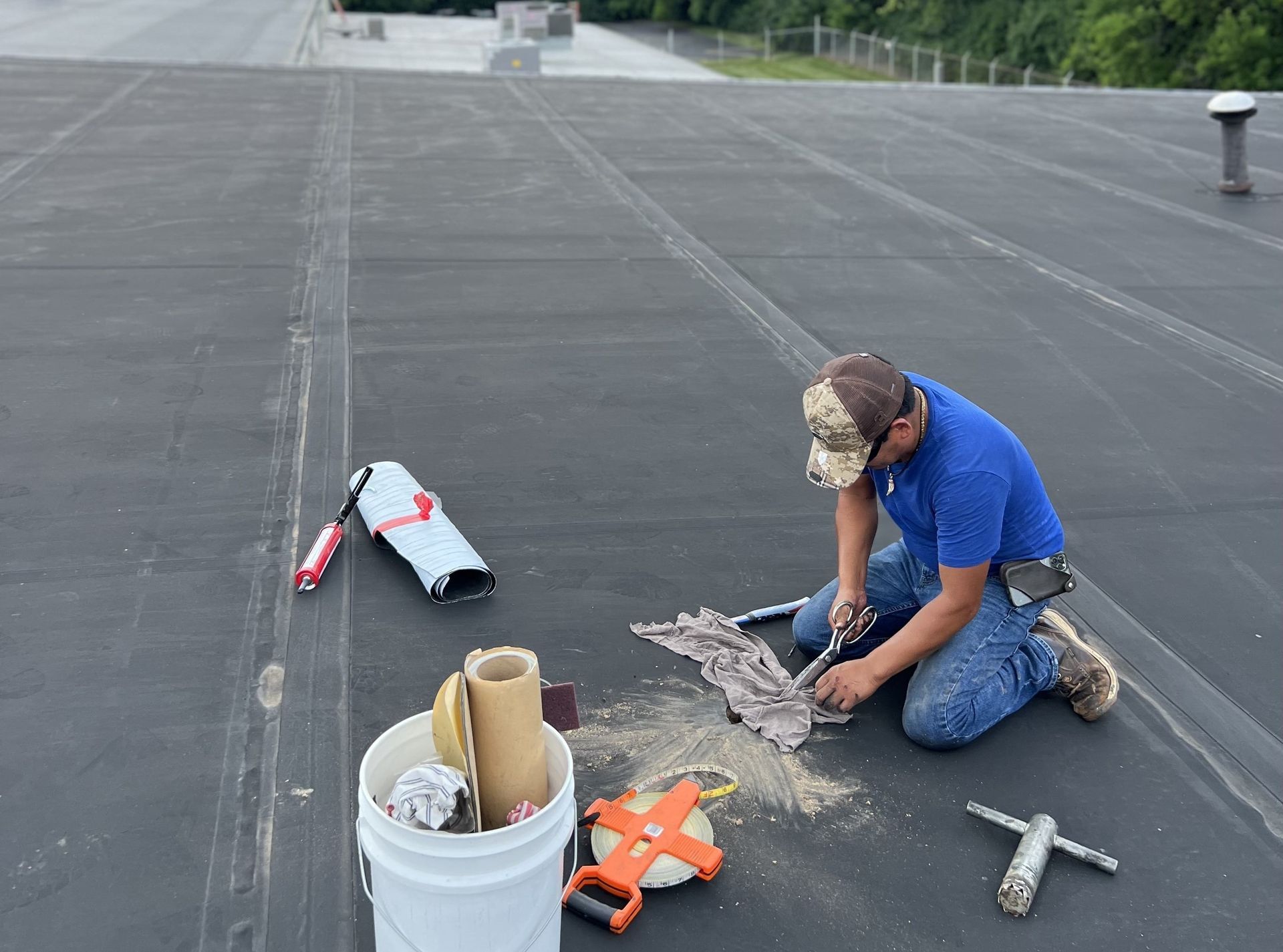
A tenant calls in February about a ceiling stain, and the roof is under fourteen inches of snow. Commercial leaks are harder to trace than residential ones to begin with, because water enters at one point and travels under a much larger deck before it shows up two suites away. Add a snow pack you can't see through and a lot of contractors start guessing. We clear what we need to, trace to the actual entry point rather than the nearest suspect, and repair seam splits, membrane punctures, failed curb and penetration flashing, and the aging pitch pans that cause a disproportionate share of commercial leaks. Emergency response for active water, scheduled work around your operating hours for everything else, and documentation for your file either way. One threshold worth knowing: water still standing on a low-slope roof 48 hours after a storm is defined as ponding, and most membrane warranties exclude it, so if you have a spot that never dries, that's a repair conversation before it's a warranty conversation.
At a glance: TPO, PVC, EPDM, modified bitumen, and SPF · $500–$3,000 per incident · same-day response for active water · leak traced to entry point, not to the stain · photo documentation with every repair

Commercial Roof Installation
New construction, building additions, and re-purposed structures across the valley, coordinated with your general contractor and, just as importantly, with the mechanical trades whose curbs, conduit, and gas lines will live on that roof for the next twenty years. Most commercial leaks we're called to fix started as a penetration somebody else added after the roofers left. We'd rather detail it correctly the first time and put it in the closeout documents, with the manufacturer warranty registered and inspected rather than assumed. An unregistered system warranty is a piece of paper that fails exactly when you need it.
At a glance: new construction, additions, and re-purposed buildings · coordinated with your GC and mechanical trades · manufacturer warranty registered and field-inspected at completion · full closeout package including as-built penetration detail

Commercial Roof Inspections & Condition Reports
Documented assessments for due diligence on a purchase, a lender or insurer requirement, warranty compliance, or a capital planning cycle. You get photographs tied to locations, moisture findings, an honest estimate of remaining service life, and a written recommendation you can hand to an ownership group without translating it first. For owners holding several properties, one visit covers the portfolio with one report per address and one point of contact.
At a glance: due diligence, lender and insurer requirements, warranty compliance, and capital planning · moisture survey included where replacement is in question · written remaining-service-life estimate · free for existing and prospective buildings · portfolio scheduling available

Systems and specialties:
TPO and PVC Membrane Systems
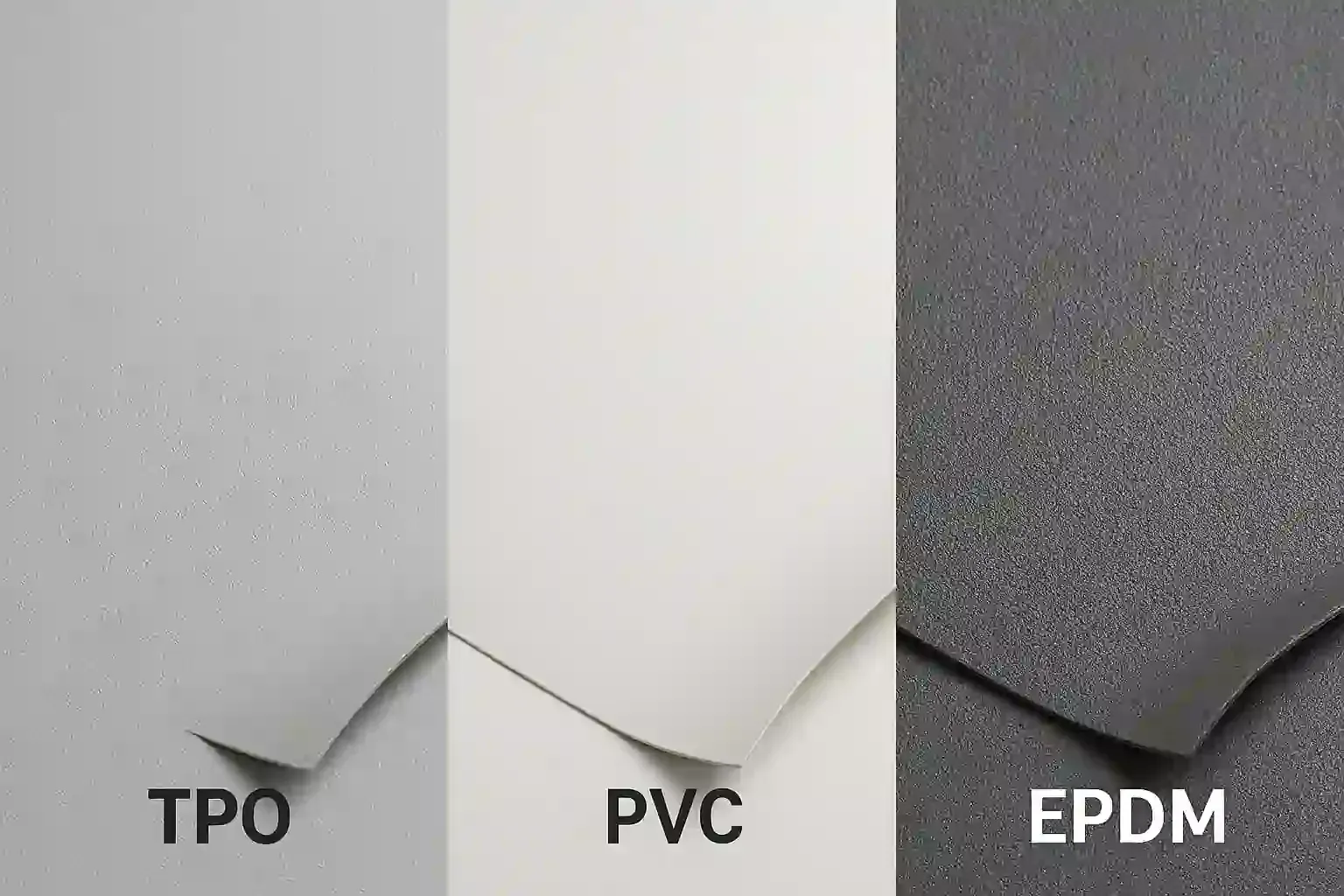
Heat-welded seams, mechanically attached or fully adhered depending on the deck and wind exposure. Lines from Carlisle SynTec, Holcim Elevate, Duro-Last, Versico, GAF, and Johns Manville. White reflective membrane is standard on new work, and in a cold climate the reflectivity conversation is a real tradeoff we'll walk you through rather than assume.
EPDM Systems
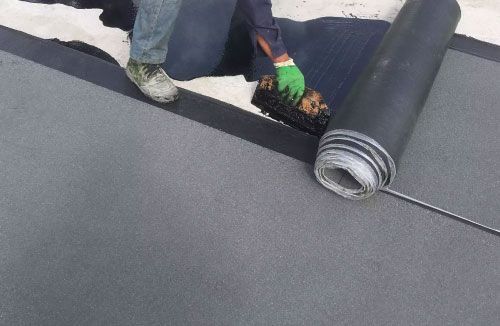
Proven, forgiving in deep cold, and a legitimate choice on many valley buildings. We'll compare it honestly against TPO for your building's exposure and use rather than defaulting to whichever we bought last.
Silicone and Acrylic Roof Coatings
High-solids restoration systems (Gaco, Henry, GAF, and similar) with mil-thickness documented at completion, because a coating job you can't verify is a coating job you can't warranty.

Insulation and Tapered Systems
Polyiso with the cold-weather caveat most contractors skip: polyiso's R-value drops as temperature drops, which matters more in Cache Valley than in most markets, so the R-value printed on the board is not the R-value you get in January. We'll spec accordingly and explain the math. Tapered packages designed so meltwater reaches a drain instead of ponding and refreezing.
Drainage Correction
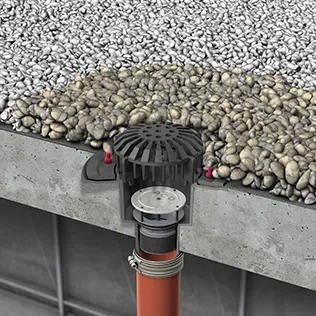
Internal drains, scuppers, overflow provisions, and the heat-traced drain work that keeps a roof draining during a February thaw instead of building a pond that refreezes overnight.

Snow Drift and Load Consultation
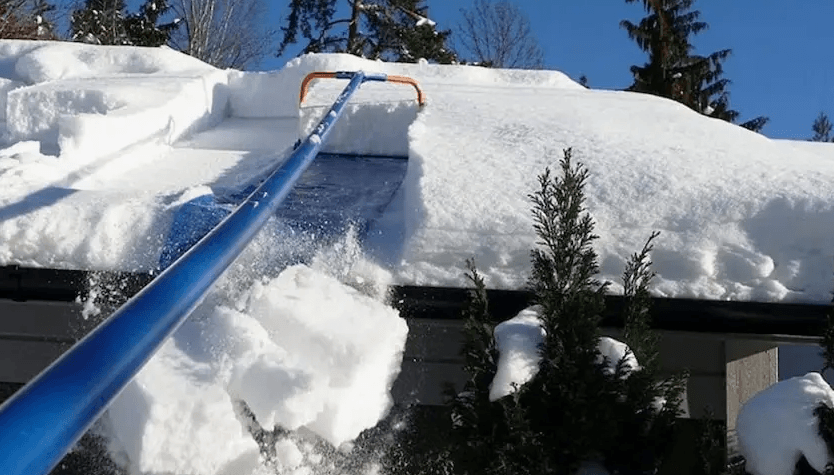
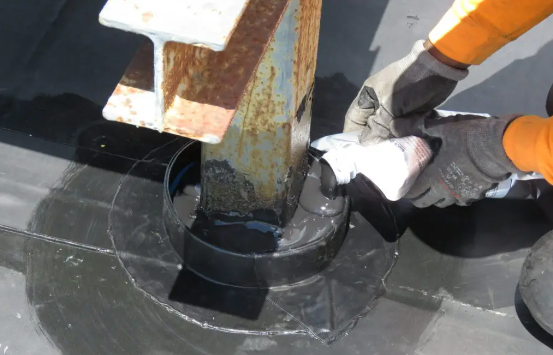
Snow doesn't sit evenly on a commercial roof. It drifts at parapets, against rooftop units, at roof-level changes, and in the lee of screen walls, and drift loads can run several times the flat-roof load. We map the drift zones on your building and tell you which ones need monitoring or removal.
Agricultural & Barn Roofing Services
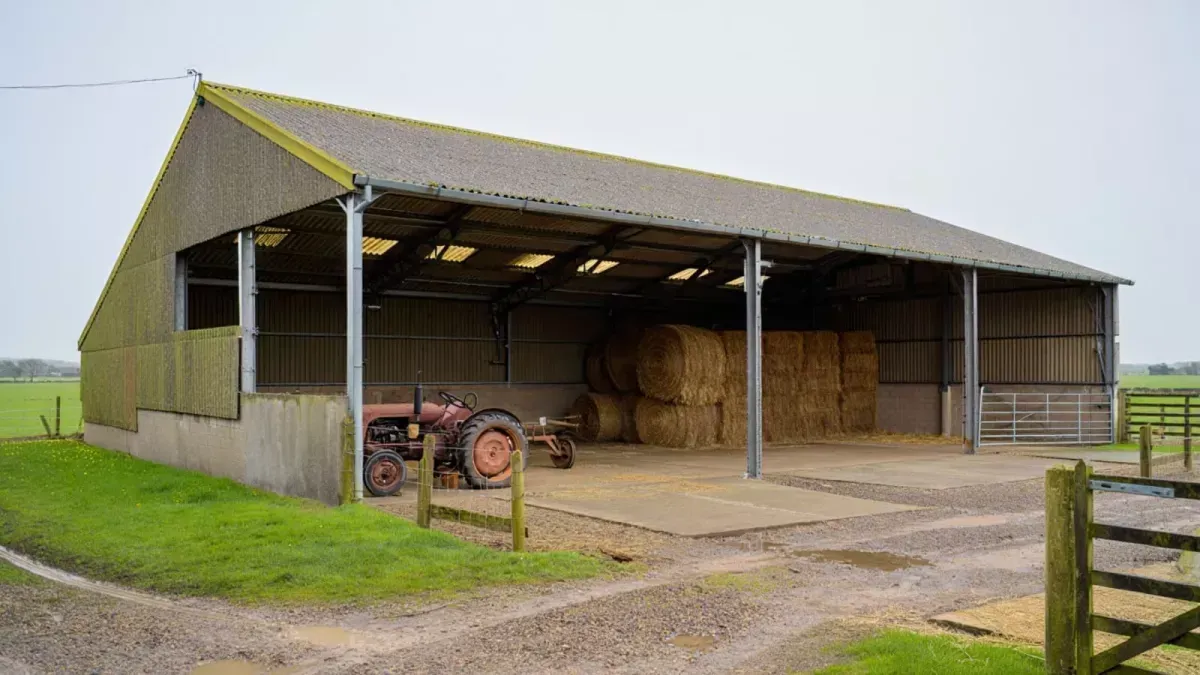
Cache Valley is still working farm country, and farm roofs are their own trade:
Barn Roof Repair
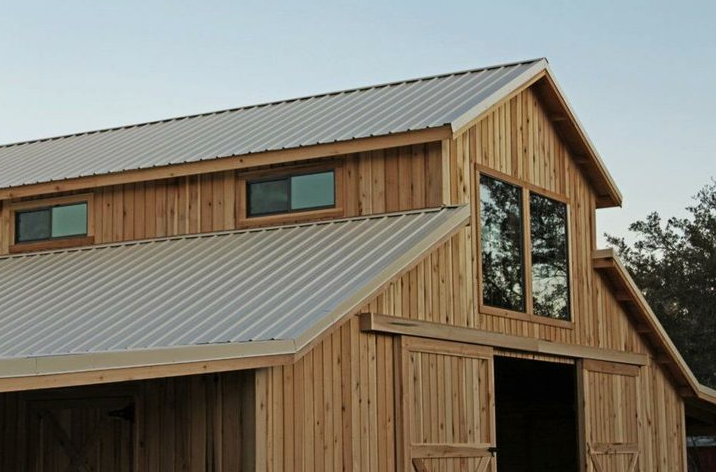
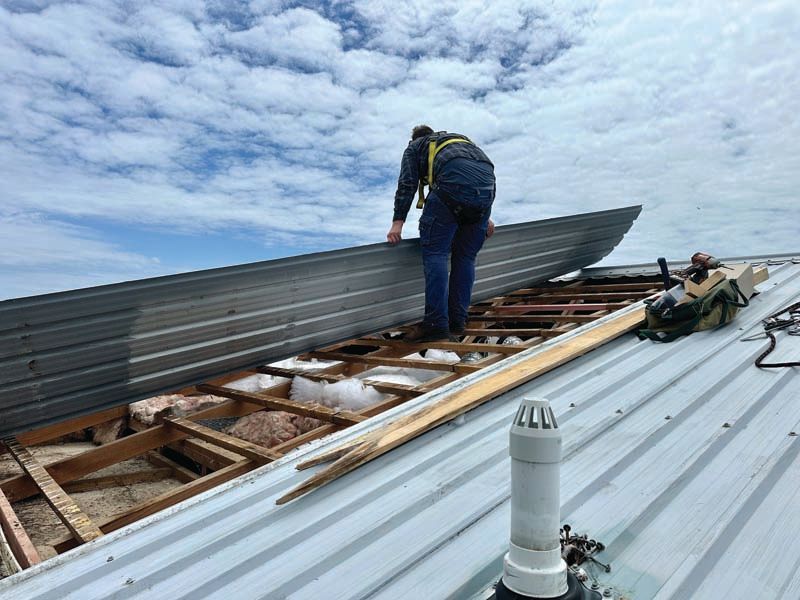
Most farm roof calls aren't dramatic. A row of screws has backed out along one purlin line, a ridge closure blew off in a spring gust, a panel got creased by a limb, or water is tracking in at an end lap nobody has looked at since the building went up. We repair all of it: panel replacement, lap and closure work, leak tracing along purlin lines, and flashing at the additions and lean-tos that got added over the decades. Dairies, free-stall and calf barns, hay covers, machine sheds, shops, and riding arenas, on properties from Amalga and Trenton up through Lewiston, Clarkston, and Cornish. The interval to plan around: the neoprene washers under exposed fasteners give out on a 15 to 20 year clock in our UV and freeze cycles, and a re-screw at year 15 is the cheapest roof work on the property.
At a glance: R-panel, PBR, U-panel, and corrugated · panel, closure, lap, and fastener repair · $600–$2,500 per structure for fastener and washer service · every building on the property quoted separately · scheduled around calving, planting, and harvest
Barn & Shop Roof Replacement
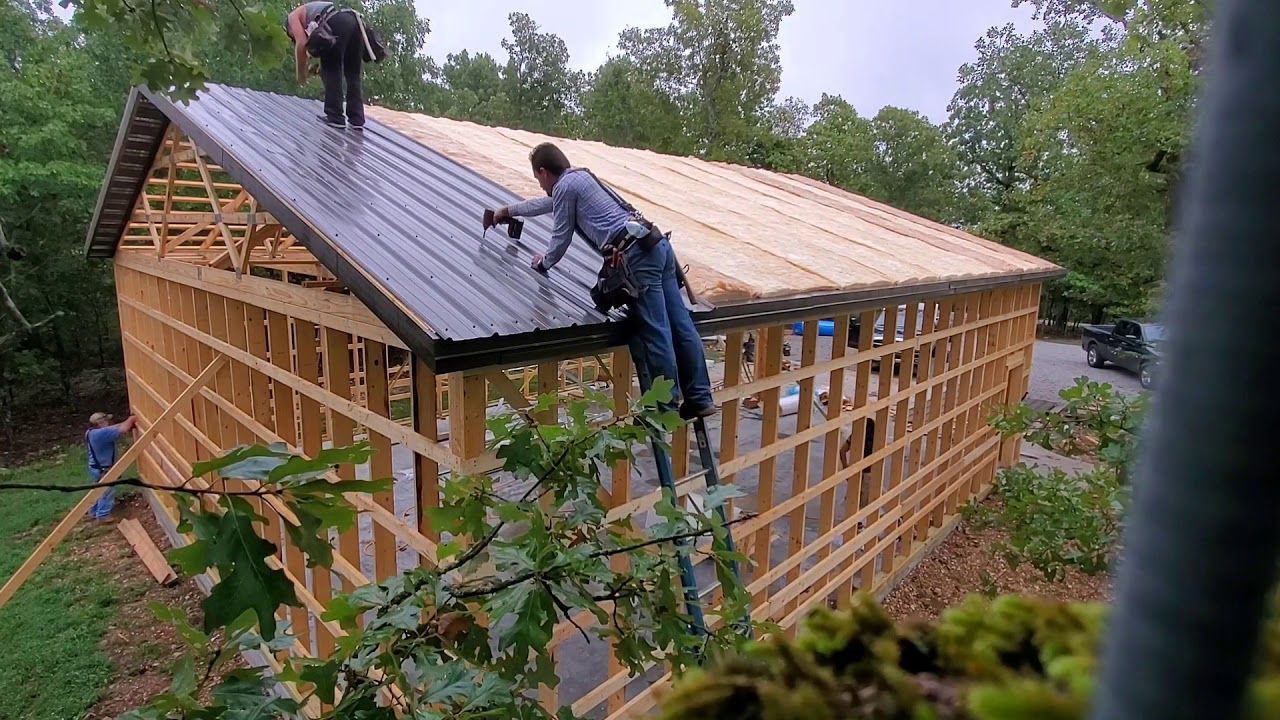
When a roof has more patches than panel left, we re-roof it: R-panel, PBR, U-panel, and corrugated profiles in the gauge that suits the building, over purlins or solid deck, with the closures and fastener pattern that decide whether the new roof lasts twelve years or thirty. Every structure is quoted separately so you can sequence a property across two or three seasons instead of absorbing it all in one year, and we schedule around calving, planting, and harvest rather than around our calendar. One spec worth insisting on: much of what gets sold as ag panel is 29 gauge, and stepping up to 26 gauge costs modestly more while resisting the hail dimpling and ice-slide denting that make a cheap roof look old in five years.
At a glance: 26 and 29 gauge panel, Galvalume substrate · over purlins or solid deck · bid per structure · closures and fastener pattern specified in writing · sequencing plan across seasons available
Metal Building & Pole Barn Roofing
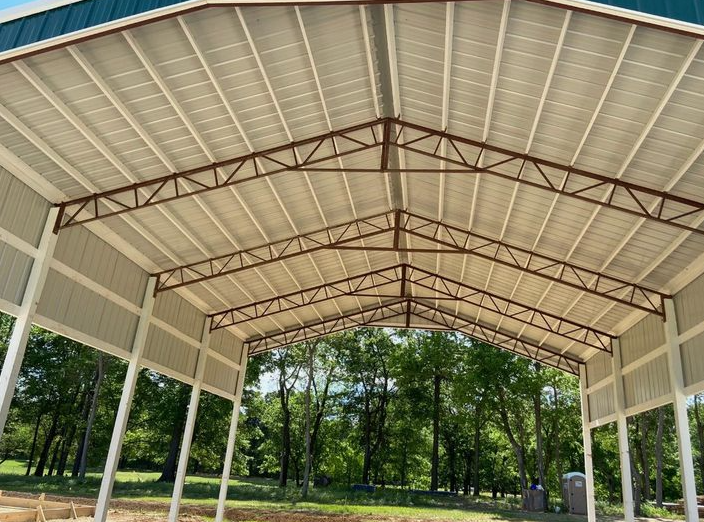
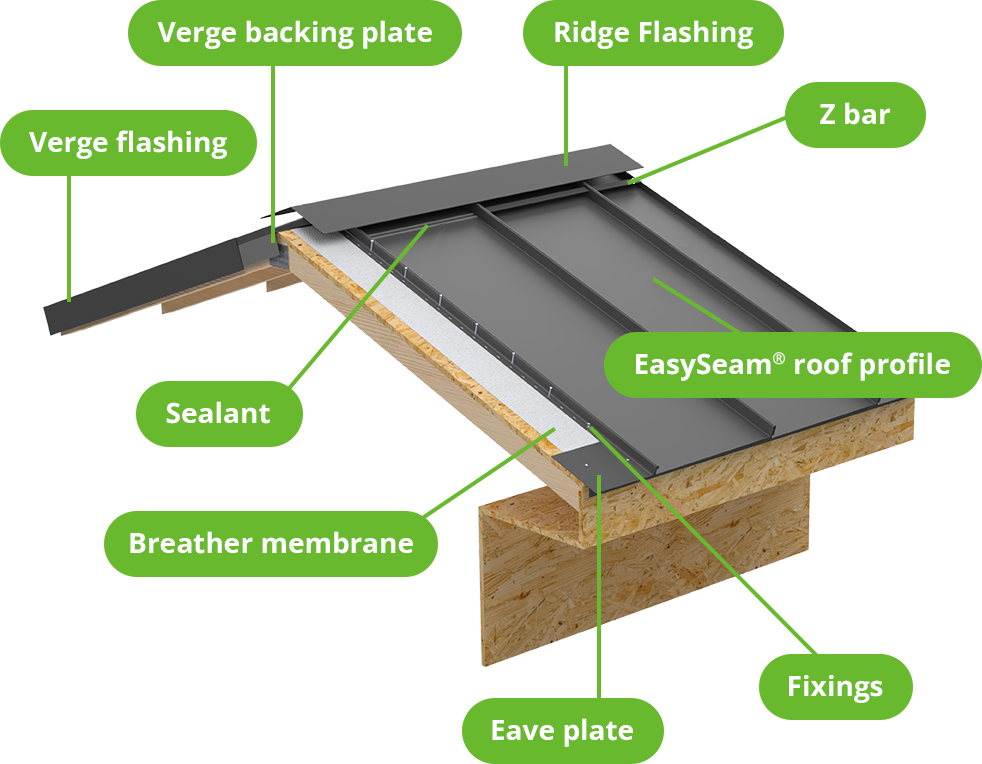
New installs and re-roofs on post-frame and steel-frame buildings, including the details that get skipped on farm work and cost the most later: correct fastener length and gasket seating into fresh purlin bite, eave and ridge closures that keep wind-driven snow out, and sidewall flashing at every addition. A farm building that leaks in February is a hay problem and an animal problem before it's ever a roofing problem, which is why we detail these the same way we detail a commercial membrane.
At a glance: post-frame and steel-frame buildings · new installs and re-roofs · fastener length and purlin bite verified, not assumed · eave and ridge closures on every run · condensation control assessed before panel goes on
Specialties:
Fastener and Washer Service
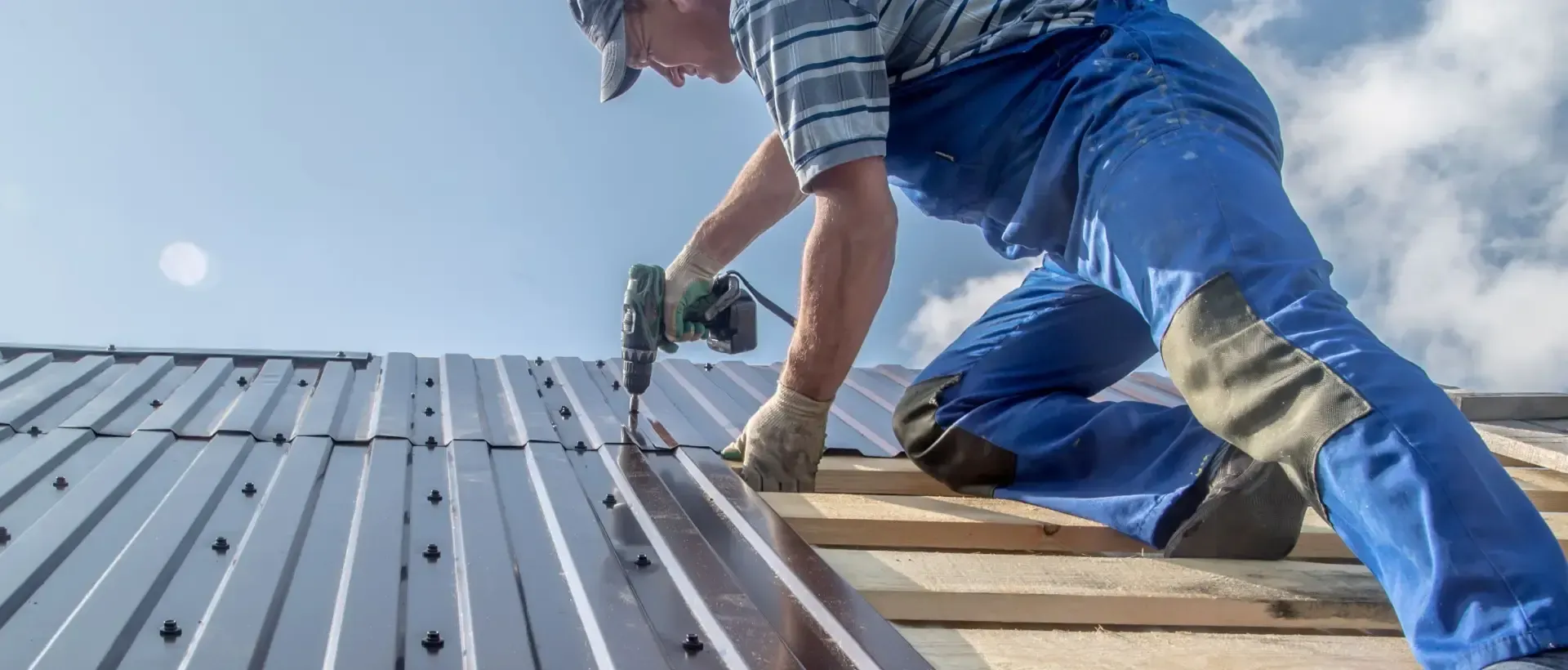
The 15-to-20-year re-screw that keeps an ag roof alive: oversized replacement fasteners into fresh purlin bite, new sealing washers, refreshed ridge and eave closures. One visit covers every structure on the property with an itemized number per building. This is the most common ag call we take and it costs a fraction of the panel replacement it prevents.
Condensation Control
The problem nobody warns farmers about: livestock and stored hay put enormous moisture into a building, and bare steel panel drips it back down as "rain" all winter. Anti-condensation membranes bonded to the panel underside, or vented assemblies with correct ridge and eave openings, solve what more insulation alone will not.
Corrosion Assessment in Livestock Buildings
Ammonia in dairy and confinement buildings attacks galvanized coatings from the inside, so a barn roof can be sound on top and failing underneath. We inspect from both sides and specify coatings and fastener metallurgy that survive the environment they're actually in.
Commercial Roofing Costs in Logan
Wider ranges than residential projects are seen because commercial square footage and scope are factored in. Normal Cache Valley Numbers:
Typical Cache Valley market ranges; estimates only. Bars show per-square-foot systems on a shared scale; hatched rows are priced per incident, per structure, or scoped to the building.
The maintenance math is the one worth internalizing: an annual program typically costs less than a single emergency repair, and it's the only thing keeping most manufacturer warranties enforceable.
"The warranty you're counting on has conditions. Most of them are things somebody has to do every year."
Our Commercial Roofing Process
01
Free Assessment
Roof walk with photos, moisture survey where replacement is on the table, drainage and drift mapping, penetration and seam inventory, and interior inspection on ag buildings. Sized to your building, not a residential checklist.
02
Straight Answer
Written report with the three-rung recommendation, line-item pricing, and expected service life for each option, delivered in a form your ownership group or lender can read.
03
The Work
Scheduled around your operations: nights, weekends, staged sections, and tenant coordination for occupied buildings. Farm work scheduled around calving, harvest, and the seasons that actually run your year rather than ours.
04
Documentation and Warranty
Completion photos, coating thickness records, manufacturer warranty registration and inspection, and a maintenance schedule that keeps it valid.
Why Choose Us for Commercial & Farm Roofing
We speak both buildings
The crew that details a TPO drain sump on Main Street is the crew that re-screws a free-stall barn in Lewiston. Most companies do one and subcontract the other.
Moisture survey before recommendation
We won't quote a coating on a roof we haven't tested for wet insulation, because that's the sale that looks great this year and fails on someone else's watch.
Documentation your file can use
Condition reports, thickness logs, and dated photos formatted for warranty compliance, insurance, lender questions, and eventual sale of the property.
Commercial & Agricultural Roofing FAQs
Get Ahead of the Snow, Not Behind It
A free assessment gives you a documented condition report, a three-rung recommendation, and real numbers for each path. Fall is when the good decisions get made.
Or Call: 801-880-2885