Roofing in Richmond, Utah
Richmond sits at the north end of Cache Valley, where the winters run longest and the dairy heritage runs deepest. The town has hosted Black and White Days since 1912, one of the oldest continuous Holstein shows in the country, and that's not just civic trivia. It tells you what most of the roofs around here are actually covering: milking parlors, free-stall barns, calf barns, hay covers, and machine sheds, alongside the brick homes and farmhouses that came with them. Add Cherry Peak up the road to the east and you have the coldest, snowiest corner of the valley, on structures that were often built long before anybody wrote a snow load into code.
Cache Valley Roofing repairs and replaces roofs across Richmond, from the houses in the older core to the barns, shops, and equipment buildings that make up most of the square footage in this part of the county. Every job starts with a free inspection and photos of what we find, and given where you live, walking every structure on the property rather than just the house isn't a specialty service. It's just what inspecting a Richmond property means.
Get Free Richmond Roof Inspection
Roofs in Richmond: The House Is the Small Job
Farm buildings first. On most Richmond properties, the house is the least of it. Steel panel roofs over barns, shops, and sheds carry more square footage, more snow, and more consequence than the home does, and they fail differently. The fasteners are the clock: neoprene washers give out on a 15 to 20 year cycle under our UV and freeze-thaw, and a roof full of backed-out screws leaks at a hundred small points rather than one obvious one. Inside a livestock building there's a second problem nobody warns farmers about, which is that ammonia and constant moisture attack galvanized coating from underneath, so a barn roof can look sound from a ladder and be failing on the side you never see. We inspect both faces and quote per structure, so a property can be sequenced across a few seasons instead of all at once.
Then the cold. Richmond gets the north end of every storm that comes down this valley, and it holds what it gets. Longer accumulation, later melt, and eaves that stay frozen well after the sun has cleared the rest of a roof. On houses that means ice-and-water shield run further up the slope than code asks for and honest attention to whether the attic is actually cold. On long-span farm buildings it means snow load is a structural question, not a maintenance one, and a wet March storm landing on a deep base is the event those buildings fail under. If a door stops sliding or a purlin looks bowed, that's a call to make the same day.
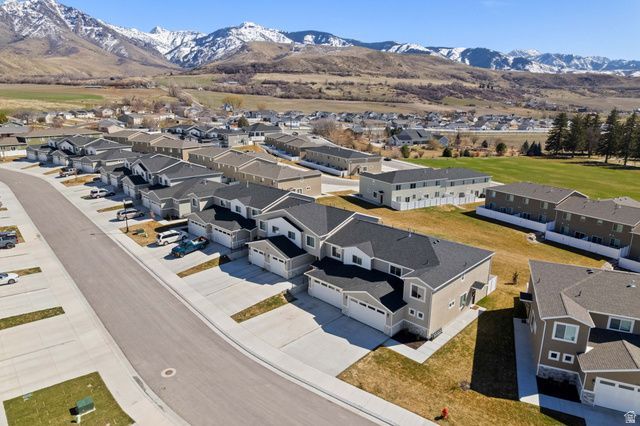
What Richmond Roofs Are Up Against
The coldest, longest winter in the valley. More accumulation, later melt, and eaves that stay frozen for months.
Snow load on pre-code structures. Long-span barns and sheds built before modern load requirements, which deflect quietly and fail quickly.
Fastener and washer failure. The 15 to 20 year clock on exposed-fastener panel, and the single most common ag roof call we take.
Ammonia corrosion inside livestock buildings. Galvanized coating attacked from the underside, invisible from on top of the roof.
Condensation in barns. Moisture from animals and stored hay dripping off cold steel all winter and getting mistaken for a leak.
Roofing Services in Richmond
List of Services
-
Commercial & Agricultural RoofingList Item 4
Barn, dairy, shop, and machine shed roofing, quoted per structure with one visit for the whole property.
-
Metal Roofing
Steel panel re-roofs and the fastener and washer service that keeps an aging ag roof alive for another decade.
-
Roof Snow RemovalList Item 3
Load reduction and structural triage on the long-span buildings that carry the real risk after a wet storm.
-
Roof Replacement
House replacements with ice-and-water shield run well past code minimum for a north-valley winter.
-
Roof RepairList Item 1
Panel, closure, and lap repair on outbuildings, and melt-season leak tracing on the house.
Richmond Roofing Questions
Across the valley to the southwest: Wellsville, the valley's oldest settlement, sitting under the steepest face in the range and taking the wind that comes with it.
An Honest Look at Your Richmond Roof
House, barn, shop, and everything else on the place. One visit, photos of all of it, and an itemized number per building.
Or Call: 801-880-2885