Asphalt Shingle Roofing in Logan, Utah
Asphalt shingle is still the valley's default roof, and for good reason: it's the best cost-per-year value in the market when the right product goes on the right way. The catch is that "the right product" means something different at our elevation than it does in the national marketing. A shingle here survives two hundred freeze-thaw cycles a year, months under snowpack on the north slope, attic temperature swings, and the gust events that funnel out of Logan and Sardine canyons. Standard builder-grade asphalt gets brittle in that cycle years ahead of its warranty math
So Cache Valley Roofing specs differently. Cold-flex rated architectural lines and SBS polymer-modified shingles, six-nail fastening in the wind zones, open metal valleys that move ice instead of holding it, and ventilation corrected underneath, because the best shingle made still fails early over a bad attic. Every install and repair starts with a free, photographed inspection and ends with a written answer.
Get Your Free Shingle Roof Inspection
The Best Shingles for Cold Climates
SBS polymer-modified (rubberized) asphalt
The cold-climate king. SBS modification keeps the asphalt flexible in deep cold, so it resists the thermal cracking that kills standard shingles here. Malarkey built its reputation on this chemistry (Vista and Legacy lines), and most carry a Class 4 impact rating under UL 2218, the highest there is, which many insurers reward with a premium discount. When hail rides in on a summer thunderstorm off the Wellsvilles, Class 4 is the difference between a claim and a shrug.
Architectural laminate lines
GAF Timberline HDZ (the most-installed shingle in North America, with LayerLock fastening) and Owens Corning Duration (with the SureNail woven nailing strip) both perform well here when installed as full systems: matching starter strips, ridge caps, and the nailing pattern their high-wind warranties require. That system detail is where a lot of valley installs quietly fall short.
What we steer you away from
Three-tab shingles, which most manufacturers are phasing out entirely, and any bargain line without a cold-weather application rating. The valley already ran the builder-grade experiment in its 1990s and 2000s subdivisions, and those are the roofs failing at year 15 to 18 right now.
Wind ratings, translated
Shingle wind resistance is classed under ASTM D7158, and the top class (H) is rated to 150 mph when correctly fastened. The rating assumes the sealant strip has bonded, which is why our cold-season installs get hand-sealed instead of waiting on spring heat, and why we six-nail as standard on the bench neighborhoods where canyon-mouth gusts hit first and hardest.
Shingle Roofing Services We Offer
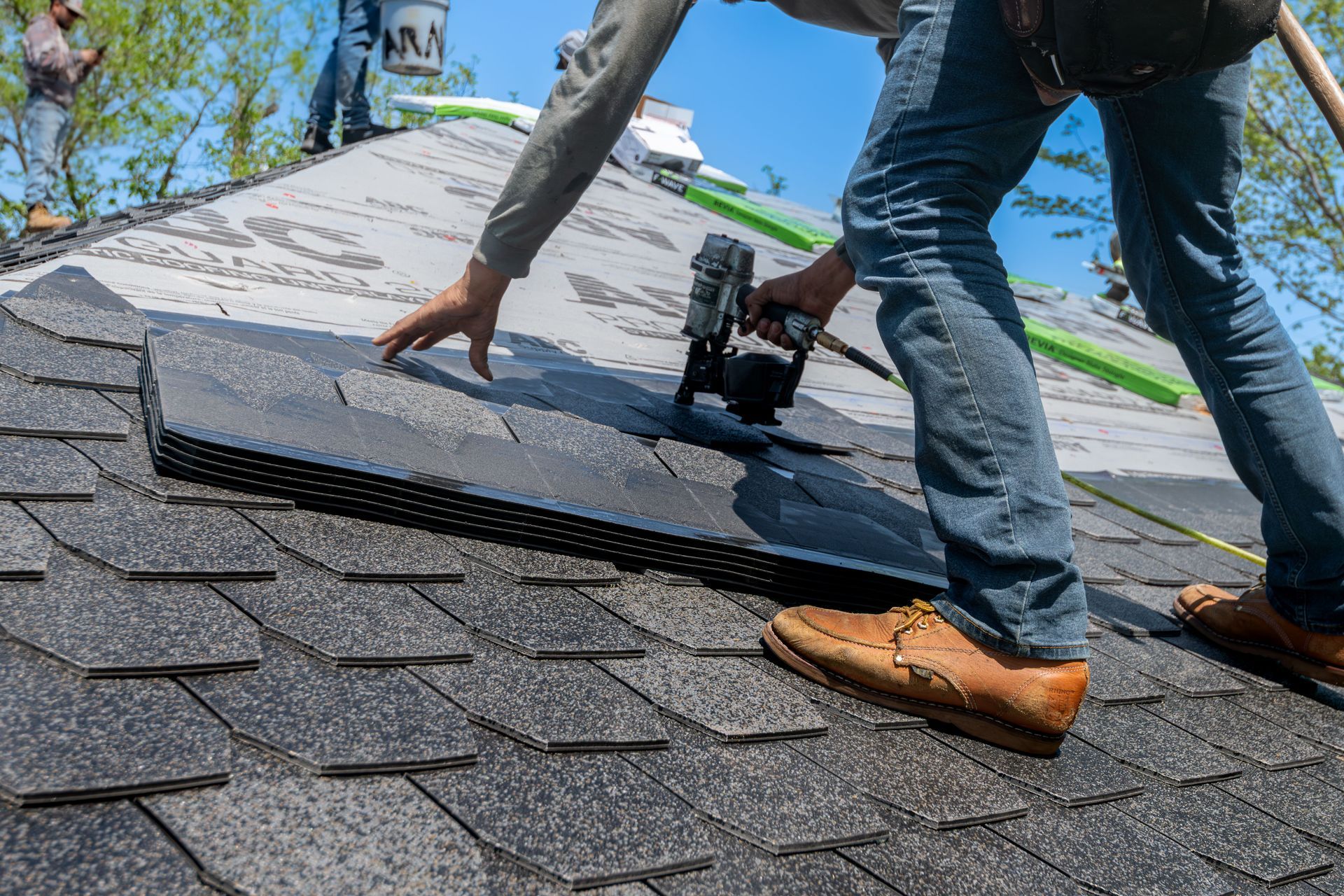
Full Shingle Roof Replacement & Installation
Tear-off to the deck, cold-rated synthetic underlayment, ice-and-water shield past code minimum at eaves and valleys, new flashing and drip edge, balanced ventilation. Details on the full scope live on our roof replacement page.
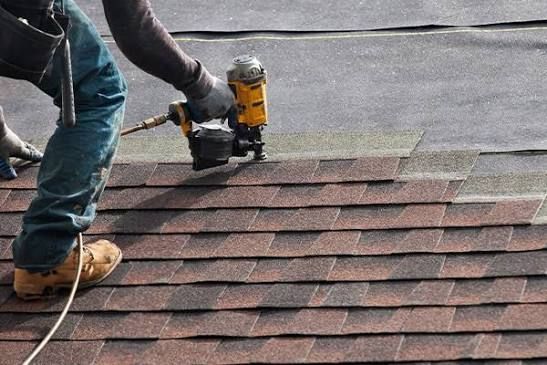
Shingle Repair
Wind-lifted, creased, and missing shingles, color-matched against the GAF and Owens Corning fields most common in the valley's subdivisions. A creased shingle never reseals itself; we replace rather than glue-and-hope.
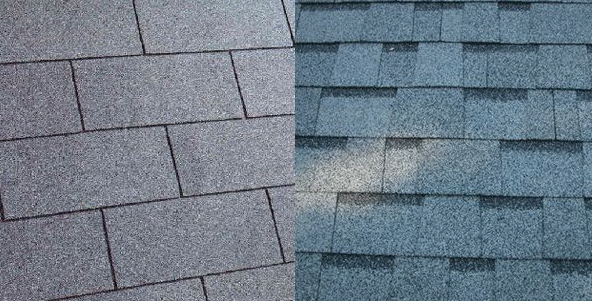
3-Tab to Architectural Upgrades
When a 3-tab roof section fails and the product no longer exists to match, we'll give you the honest options: a close-match repair, a slope replacement, or the full upgrade, with the cost of each in writing.
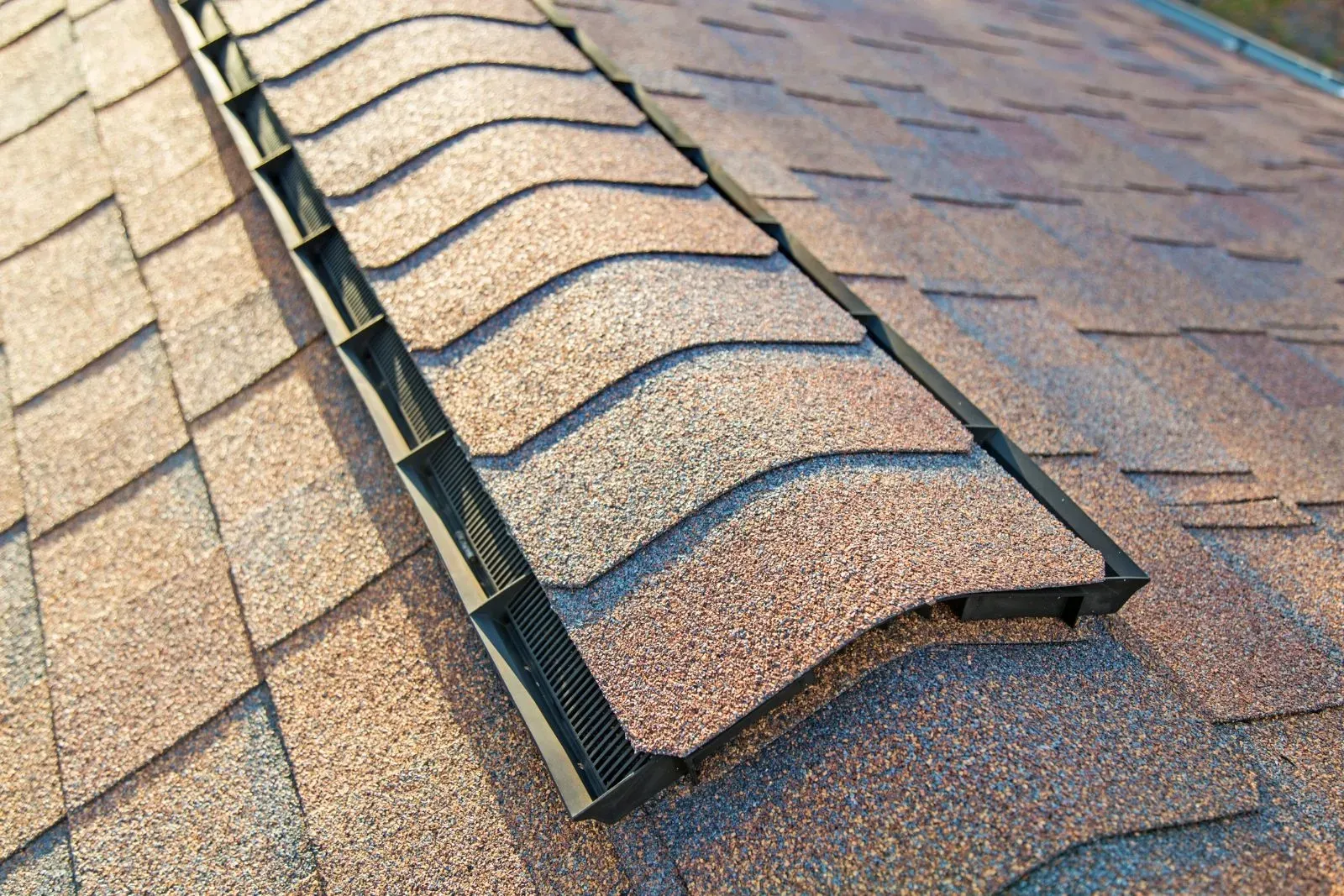
Why Shingles Fail Early in Cache Valley
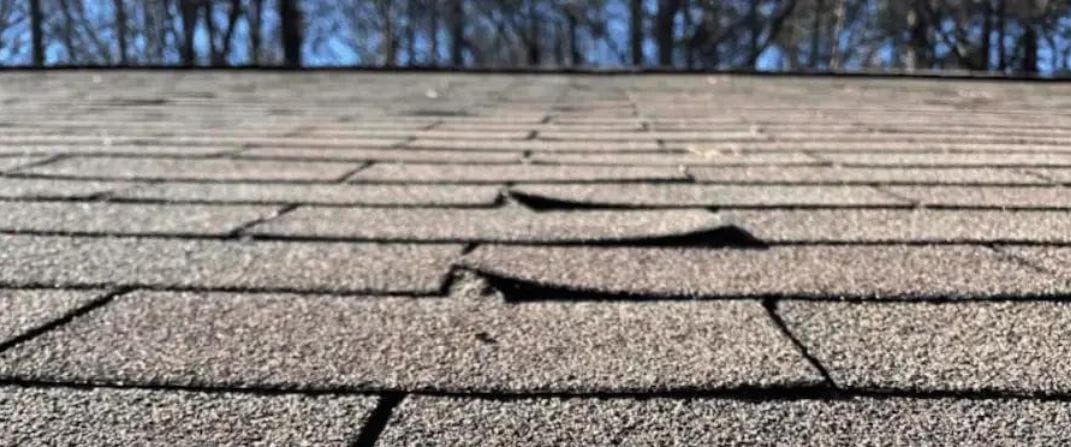
Wind Lift at the Canyon Mouths
North Logan, Hyde Park, and Providence benches take the brunt. Once a sealant bond breaks, every subsequent gust works the shingle looser.

North-Slope Snowpack Aging
The shaded slope holds snow from Thanksgiving into March, cycling wet-dry-frozen while the south slope bakes. Same roof, two aging speeds; we inspect them as two different roofs.
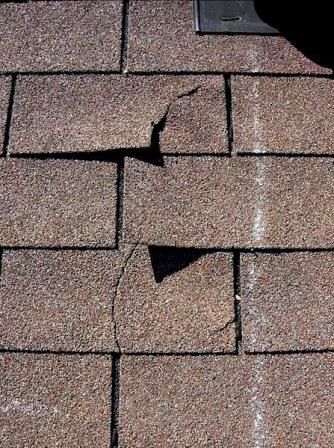
Thermal Cracking
Standard asphalt loses flexibility with every freeze-thaw pass. Two hundred passes a year is the local number, and it compounds.

Attic Heat and Frost
An under-vented attic cooks shingles from below in summer and grows deck frost in January. It's the hidden variable behind most "why did this 30-year roof last 17" conversations.

Nail Placement from the Original Build
High nails and overdriven guns from the subdivision construction rush surface as nail pops and shingle slip a decade later. We see entire streets in Nibley with the same signature.
How to Compare Shingle Roofing Bids
The shingle on the truck is maybe half of what decides how long your roof lasts. The other half is a list of details that never show up in a photo, cost a few hundred dollars combined, and separate a roof that reaches its warranty from one that doesn't. Use this as a scorecard against every bid you're holding, ours included:
- Factory starter strip at eaves and rakes. The starter course is what the first row of shingles seals to. Cutting up field shingles to fake a starter is faster, cheaper, and voids most manufacturers' wind warranties. It's the single most common corner cut in the trade.
- Nails in the nailing zone, six per shingle, driven flush. High nails miss the laminate layer and let shingles slide; overdriven nails cut through the mat. Both are invisible from the ground on install day and obvious on the roof in five years.
- Factory hip and ridge caps. Cut-up three-tabs used as caps crack early in freeze-thaw. Matching caps are engineered to bend cold without splitting.
- Open metal valleys. We prefer W-style metal valleys in this climate over closed-cut. Metal moves snow, ice, and debris out of the valley instead of holding it against layered shingle, and the valley is where the valley's roofs fail first.
- Ice-and-water shield at eaves and every valley, run past the code-minimum line, plus high-temp synthetic underlayment over the rest of the deck.
- New step flashing and kickout flashing at every wall. Reused step flashing is a leak with a delay timer, and a missing kickout is what soaks the wall sheathing behind your stucco.
- Drip edge at eaves and rakes. Code requires it. It still gets skipped, and it's the cheapest edge protection on the roof.
- Balanced ventilation with baffles. Ridge exhaust matched to soffit intake, with baffles keeping the airway open through the insulation.
How to read competing bids: ask all three bidders the same three questions. Are you using factory starter and factory ridge cap? How many nails per shingle? Where does the ice-and-water shield stop? Any roofer who answers those quickly and specifically is worth your money. The bid that comes in $3,000 low is usually low in exactly these lines, and every one of them is invisible the day the crew drives away.
What Shingle Roofing Costs in Logan
Typical Cache Valley market ranges; estimates only. Your exact number comes from a free inspection: measured, photographed, and itemized.
The SBS upgrade typically adds 15–25% over standard architectural and is the single best cost-per-year improvement available in this climate. Every estimate is line-item, so you can see exactly what the upgrade buys.
A "30-year" shingle is a national number. The valley quotes its own.
Our Process
01
Free Inspection
Roof and attic, photographed, with the north slope given the scrutiny it earns here. About an hour.
02
Straight Answer
Line-item estimate in 24–48 hours with product options at two or three price tiers, never just the one we'd prefer to sell.
03
The Work
Full-system shingle roof installation to the manufacturer's high-wind spec, hand-sealing in cold weather, same-day dry-in, nightly cleanup.
04
Walkthrough & Warranty
Completion photos, magnet sweep, manufacturer registration filed, workmanship warranty in writing.
Why Logan Homeowners Choose Us for Shingle Roofs
We install systems, not just shingles
High-wind warranties require matching starters, caps, and nailing patterns. We install to that spec and photograph it, so your warranty is real instead of theoretical.
Cold-weather technique as standard
Hand-sealing below the reseal threshold, six-nail fastening in the wind zones, and scheduling built around valley weather windows.
Two-tier honesty
Every estimate shows the standard option and the SBS upgrade with real numbers, and we'll tell you plainly when your roof, your slope, or your timeline doesn't justify the premium.
Shingle Roofing FAQs
Get the Right Shingle on the Right Roof
Free inspection, two or three real options with real numbers, and an install that makes the warranty mean something.
Or Call: 801-880-2885


