Roofing in Providence, Utah
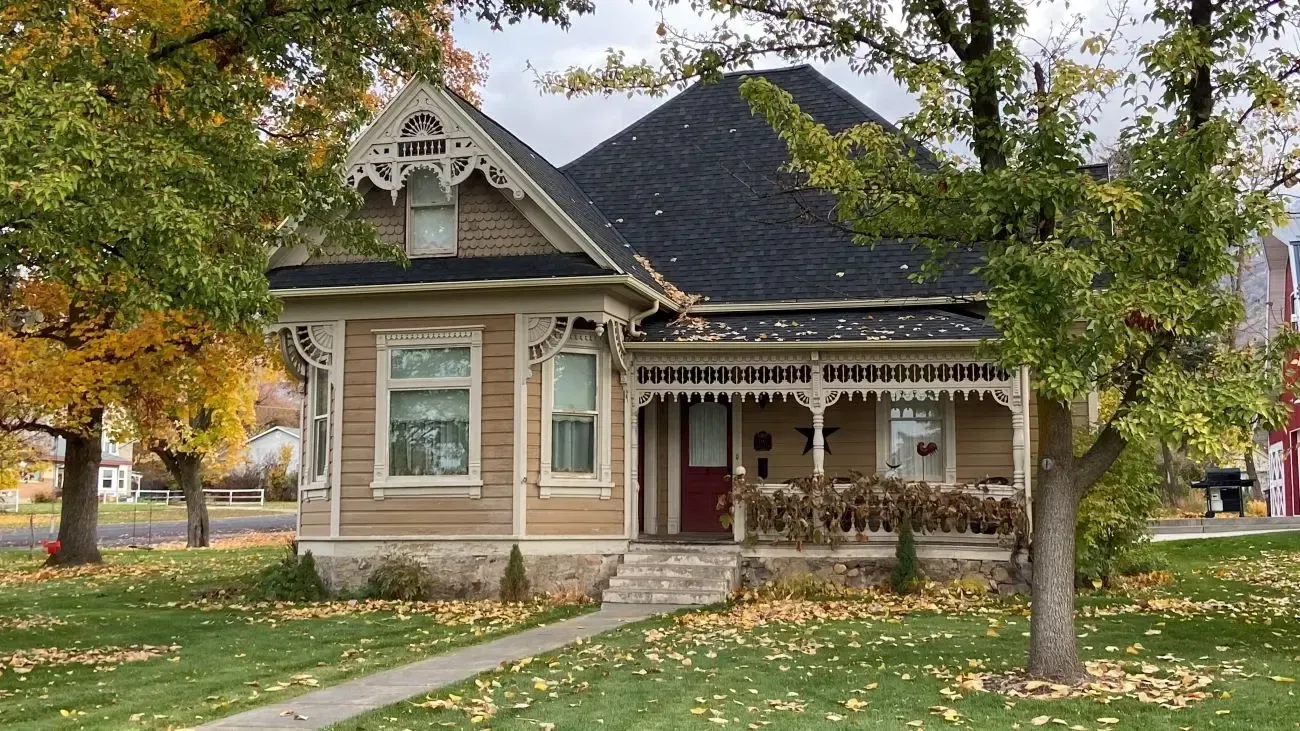
Providence sits against the east bench just south of Logan, tucked below the mouth of Providence Canyon, and that position defines its roofs more than anything else about the town. The older core near the historic rock church holds nineteenth-century homes on deep lots with mature trees, plank decking, and the layered roofing history that comes with a settlement dating to the 1850s. Above and east, the bench developments climb toward the canyon, with newer homes, bigger rooflines, more complex valleys, and a great deal more wind than anything on the valley floor.
Cache Valley Roofing repairs and replaces roofs across Providence, from the older homes on the deep lots near the historic rock church to the bench developments climbing toward the canyon. Every job starts with a free inspection and photos of what we find, and given where you live, walking the dead valleys and the windward edges isn't a specialty service. It's just what inspecting a Providence roof means.
Get Your Free Providence Roof Inspection
Roofs in Providence: The Canyon Decides
The bench and the wind. Homes on the Providence bench sit where air coming down the canyon accelerates and spreads, and that wind finds every edge a roof gives it. The failures are consistent: ridge caps lifting first, rake edges peeling, and shingles creased across the windward slope in a pattern that reads clearly from a ladder and not at all from the driveway. The newer bench homes compound it with the rooflines that were fashionable when they were built, meaning multiple gables, dormers, and valleys, and every one of those is a seam that wind and ice both work on. On this side of town we six-nail as standard, spec high-wind rated product, and pay close attention to ridge and rake detailing, because that's where the next storm starts.
The older core. Down near the historic center, it's a slower and more careful kind of job. Nineteenth-century homes carry generations of re-covers, board decking instead of plywood, chimneys built before step flashing was standard practice, and steep pitches that made sense when snow was the only design load anyone thought about. Mature trees over these lots shade the north eaves all winter and fill gutters every fall, both of which feed ice dams. We inspect these before we quote them, photograph every layer, and price decking per sheet up front, because a house this old is entitled to hold a surprise without it becoming an argument on day two.
What Providence Roofs Are Up Against
Providence Canyon wind. Downslope gusts hit the bench first and hardest, and creased shingles that lay back down have still permanently lost their seal.
Complex bench rooflines. Multiple valleys, dormers, and gables mean more flashing, more dead valleys, and more places for ice to sit all winter.
Snow held on shaded slopes. North-facing pitches and tree-shaded eaves in the older core hold pack for months, aging shingles faster than the sunny side.
Ice dams from attic heat. Older homes leak through unsealed chases and hatches; newer bench homes are often vented to the minimum of their build year.
Fall debris in the old town canopy. Gutters that fill in October are gutters full of ice in December.
Roofing Services in Providence
List of Services
-
Roof Replacement
Tear-offs with high-wind fastening and per-sheet decking pricing, on the bench and in the old core.
-
Storm & Wind damageList Item 2
Documented inspections after canyon wind events, with honest claimable-versus-wear guidance.
-
Roof RepairList Item 1
Ridge cap rebuilds, creased shingle replacement, and flashing work in the valleys and dead valleys.
-
Ice Dam Removal & Prevention
Steam removal without shingle damage, plus the attic fixes behind the dam.
-
Rain Gutters & Snow GuardsList Item 4
Snow-country hanging that survives the slide, and guards where a roof sheds onto an entry.
Providence Roofing Questions
Just north of here: Logan, where the valley's oldest housing stock sits and almost every roof has a story under the top layer.
An Honest Look at Your Providence Roof
Bench wind or old-town layers, it starts the same way: a free inspection, photos of what we find, and a number that holds.
Or Call: 801-880-2885