Roofing in Hyde Park, Utah
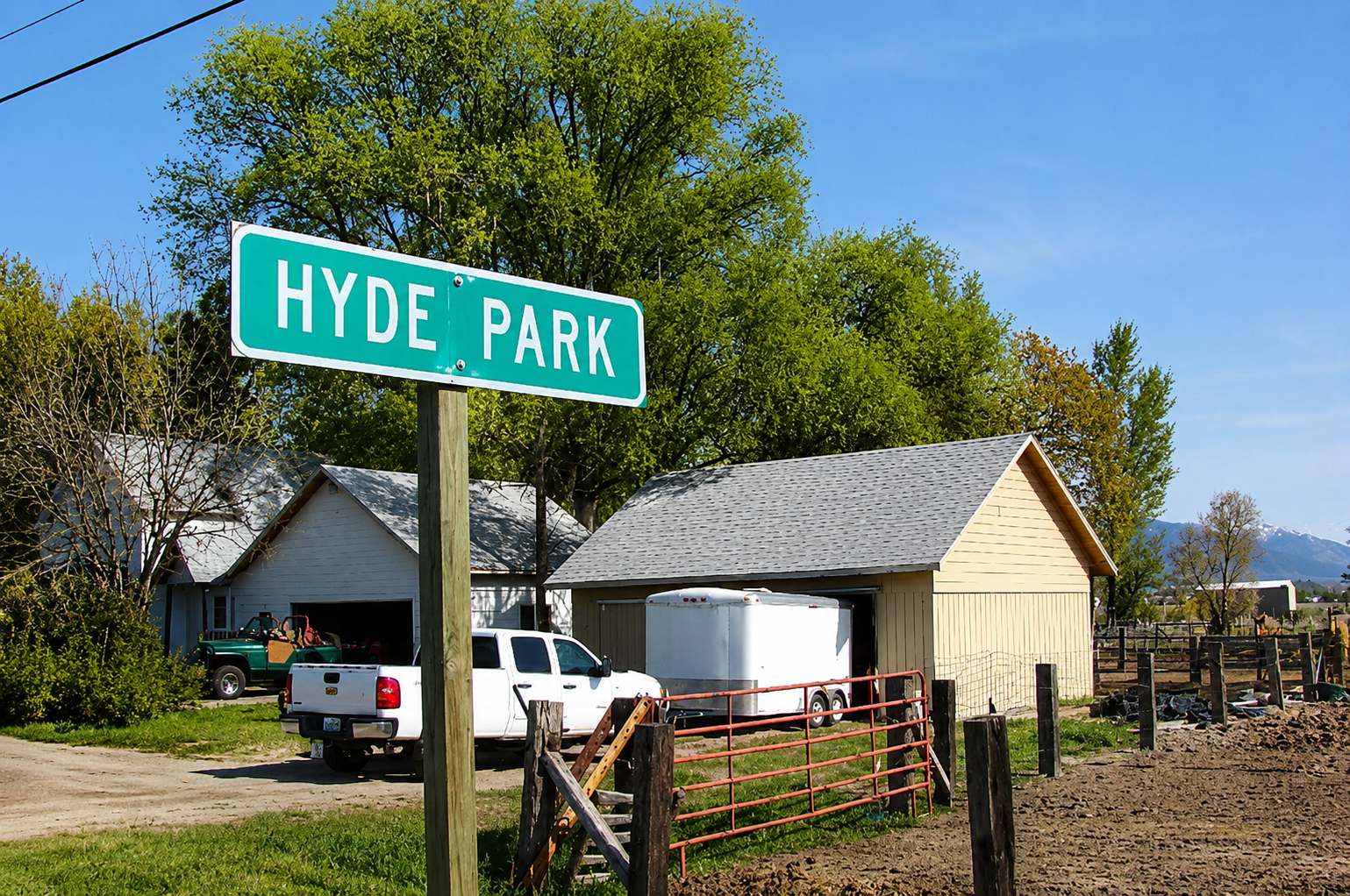
Hyde Park has spent most of its history as the quiet stretch of bench between North Logan and Smithfield, settled in 1860 and farmed for most of the century that followed. What's changed is the pace. Subdivisions have filled in around the old farmsteads fast enough that you can drive a single street and pass a 1900s brick farmhouse, a 1970s rambler, and a house that still has its builder's warranty. What all of them share is position: high enough on the bench to get more snow than the valley floor and enough exposure that the wind is a design consideration rather than a weather report.
Cache Valley Roofing repairs and replaces roofs across Hyde Park, from the original farmsteads along the older lots to the newest streets filling in the bench. Every job starts with a free inspection and photos of what we find, and given how many homes here have grown a room at a time, checking every place an addition meets the original roof isn't a specialty service. It's just what inspecting a Hyde Park roof means.
Get Your Free Hyde Park Roof Inspection
Roofs in Hyde Park: Where the Additions Meet the Original
The seams tell the story. A lot of Hyde Park's older housing grew by addition. A back bedroom in the fifties, a garage in the seventies, a family room after that, each one built by different hands to a different standard and tied into a roof that was never designed to meet it. Those junctions are where we find most of the leaks in this town: roof-to-wall transitions with reused or missing step flashing, missing kickout flashing dumping water behind the siding, pitch changes that create dead valleys nobody thought about, and low-slope additions covered in a material meant for steeper roofs. None of it shows from the street. All of it shows in a photo from a ladder, which is why we take them.
The bench does the rest. Hyde Park sits high enough that snow arrives earlier and leaves later than it does in Logan, and open enough that wind works the ridges and rake edges hard. On the newer subdivisions that combination lands on builder-grade material and minimum-spec attic ventilation, which is why homeowners here are sometimes startled to find ice dams on a house that isn't old. New construction is not the same thing as correctly ventilated, and in this town the difference usually shows up around year eight.
What Hyde Park Roofs Are Up Against
Addition junctions. Roof-to-wall transitions, pitch changes, and dead valleys created by decades of adding on, each one a leak waiting for the right storm.
Bench-level snow. More accumulation and a longer season than the valley floor, with north slopes holding pack into late March.
Open wind exposure. Fewer breaks between here and the canyon mouths, so ridges and rake edges take a beating.
Minimum-spec ventilation in newer stock. Common in the subdivision era and the usual reason a ten-year-old house grows ice at the eaves.
Low-slope sections on older homes. Porch and addition roofs too flat for shingle, frequently covered with it anyway by a previous owner.
Roofing Services in Hyde Park
List of Services
-
Roof RepairList Item 1
Flashing and transition rebuilds where additions meet the original roof, plus melt-season leak tracing.
-
Roof Replacement
Tear-offs with decking priced per sheet and every transition detailed properly the second time around.
-
Attic Insulation & VentilationList Item 4
The minimum-spec ventilation behind ice dams on houses far too new to be having this problem.
-
Ice Dam Removal & PreventionList Item 3
Steam removal without shingle damage, plus the attic corrections that end the annual cycle
-
Storm & Wind damageList Item 2
Documented inspections after bench wind events, with honest claimable-versus-wear guidance.
Hyde Park Roofing Questions
Continuing north: Smithfield, where the older Main Street core and the growing east bench each bring their own roofing conversation.
An Honest Look at Your Hyde Park Roof
Old farmhouse, new subdivision, or something that's been added onto three times, it starts the same way: a free inspection, photos of what we find, and a number that holds.
Or Call: 801-880-2885