Roofing in Logan, Utah
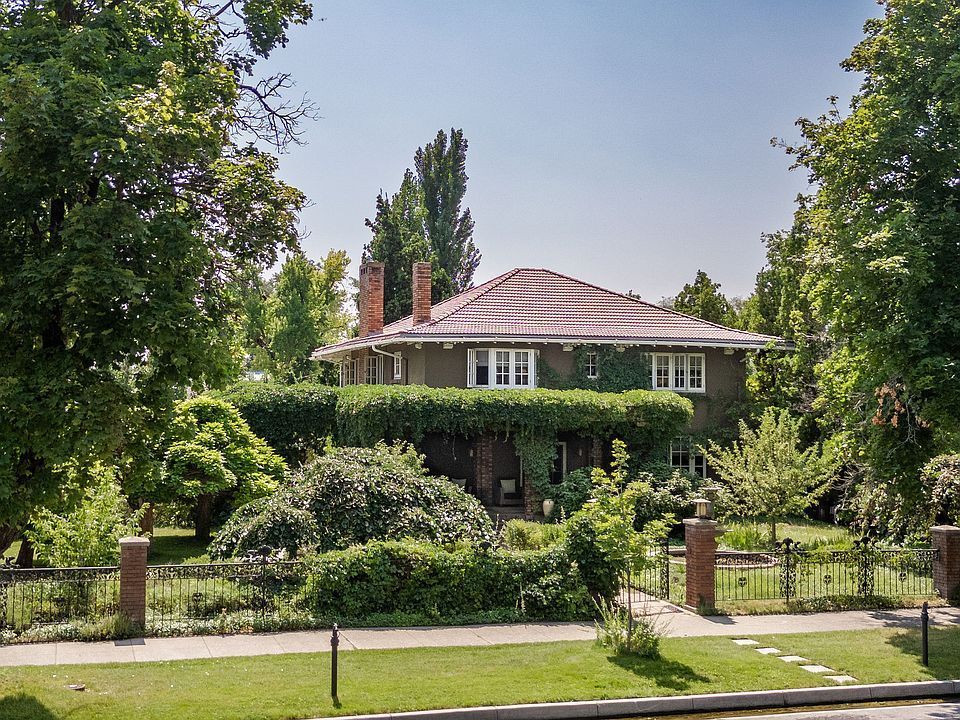
Logan is the oldest and most varied housing stock in Cache Valley, and it shows up on the roofs. The Center Street and Adams historic districts hold brick bungalows, foursquares, and Victorians dating to the 1890s and early 1900s, many carrying three or four generations of roofing decisions on top of plank decking. The Island sits low between the branches of the Logan River. Above town, the benches climbing toward Utah State and Old Main hold everything from postwar ranches to subdivisions still under warranty. One town, five decades of building code, and a canyon at the east end pushing wind down onto all of it.
Cache Valley Roofing repairs and replaces roofs across Logan, from the century-old homes along Center Street and through the Adams neighborhood to the newer streets climbing the bench below campus. Every job starts with a free inspection and photos of what we find, and given where you live, opening the attic hatch and checking what your insulation and ventilation are doing isn't an add-on service. It's just what inspecting a Logan roof means.
Get Your Free Logan Roof Inspection
Roofs in Logan: Old Bones Below, Hard Winters Above
Old town first. The homes along Center Street, through the Adams neighborhood, and across the Island carry roofing history the way they carry paint layers. Original plank decking rather than plywood sheathing, chimneys built before flashing standards existed, dormers creating dead valleys the sun never reaches, and steep pitches that were the right answer for snow in 1905 and still are. Working these roofs well means starting with what's actually up there, so our inspections photograph every layer we find and our estimates price decking per sheet in advance, because a hundred-and-twenty-year-old house has earned the right to hold a surprise or two without it becoming a change order. The bungalows and Cape Cods here bring one more wrinkle: knee wall attics and sloped ceiling sections that standard insulation work can't reach, which is why some of these houses grow ice dams every winter no matter what's been added to the flat part of the attic.
Then the newer half. Postwar ranches through the east side and the bench subdivisions below campus are a different job with a different clock. Builder-grade shingles laid across whole streets in the same season are now reaching end of life in the same season, and attic ventilation on a lot of that stock was built to the minimum of its day rather than to what a Cache Valley winter actually asks. Add the rental density around USU, where a leak reported by a tenant in February has usually been developing since December, and the smart move on this side of town is an October inspection rather than an April emergency.
What Logan Roofs Are Up Against
Snow that stays. North-facing slopes hold pack from Thanksgiving into March, aging shingles at roughly twice the rate of the sunny side of the same roof.
Ice dams, driven by attic heat. Logan's older housing stock leaks warm air through can lights, unsealed chimney chases, and uninsulated knee walls, which melts the pack from below and rebuilds it as ice at the cold eave.
Canyon wind. Gusts accelerating out of Logan Canyon hit the east side and the benches first, creasing shingles and peeling ridge caps in ways that stay invisible from the driveway.
Freeze-thaw cycling. Roughly two hundred passes through freezing a year crack sealant, open flashing seams, and back fasteners out a fraction at a time.
A mature tree canopy. The old streets shade eaves and dead valleys all winter and fill gutters every fall, and both of those feed ice.
Roofing Services in Logan
List of Services
-
Roof RepairList Item 1
Melt-season leak tracing, flashing rebuilds, and the patient diagnostics a century-old roof deserves.
-
Roof Replacement
Full tear-offs with decking priced per sheet up front, for old-town stock and bench subdivisions alike.
-
Ice Dam Removal & PreventionList Item 2
Steam removal without shingle damage, plus the attic fixes that stop the cycle on story-and-a-half homes.
-
Attic Insulation & VentilationList Item 3
The knee walls, blocked soffits, and buried bath fans behind most Logan ice dams.
-
Roof InspectionsList Item 4
Free, photographed, and yours to keep. Real estate timelines and multi-property rental walk-downs included.
Logan Roofing Questions
Just north up the bench: we work North Logan too, where whole subdivisions are hitting replacement age in the same few seasons and Green Canyon decides what the wind does.
An Honest Look at Your Logan Roof
Whether it's an 1890s home on Center Street or a twenty-year-old roof on the bench, it starts the same way: an inspection, photos, and an honest answer.
Or Call: 801-880-2885