Ice Dam Removal & Prevention in Logan, UT
Every January, usually during the first long inversion stretch when the valley floor sits in single digits for a week, the calls start: a ridge of ice at the eaves, icicles thick as fence posts, and then the part that makes it our problem and not just a photo opportunity, water coming through the ceiling while it's 9 degrees outside. That's an ice dam doing exactly what ice dams do: meltwater from higher on the roof hits the frozen eave, stacks up behind the ice, and gets pushed backward under the shingles, where no roof is designed to be waterproof.
Cache Valley Roofing handles both halves of the problem. Removal, with low-pressure steam that takes the dam off without taking your shingles with it. And prevention, which is the half most companies skip, because the permanent fix for ice dams isn't on the roof at all. It's in your attic, and we'll show you exactly where.
Schedule My Free Prevention Inspection
What Causes Ice Dams?
Heat escaping your living space warms the roof deck and melts the underside of the snowpack, even in freezing weather. The meltwater runs down the slope until it crosses the eave line, where there's no warm attic underneath, refreezes, and starts building the dam. More melt arrives, ponds behind the ice, and works uphill under shingles that were engineered to shed falling water, not standing water.
Three attic failures feed the cycle, and most valley homes with chronic dams have at least two:
- Air leaks. Warm air pouring into the attic through can lights, bath fan housings, the attic hatch, and the chases around chimneys and plumbing. Air sealing these is the highest-value fix per dollar in the whole ice dam conversation.
- Thin insulation. Current code calls for roughly R-49 or better in attics here; the settled 6 inches in many of the valley's older homes delivers R-20 on a good day. The early-1900s homes in Logan's Center Street and Adams districts, and plenty of USU-area rentals, are running on a fraction of that.
- Blocked or missing ventilation. Balanced soffit intake and ridge exhaust keeps the attic within a few degrees of outside, which is the whole game: a cold attic can't melt snow. Rule-of-thumb spec is one square foot of net free vent area per 300 square feet of attic when balanced ,and half the attics we inspect have soffit vents painted shut or buried in insulation.
The tell: if your house grows big icicles and your neighbor's identical floor plan doesn't, the difference is in the attics, not the weather.
Warm air escapes through can lights, bath fans, the attic hatch, and chimney chases. Settled insulation and blocked soffit vents trap that heat against the roof deck instead of letting the attic stay cold.
The warm roof deck melts the underside of the snow, even in freezing weather. Meltwater runs down the slope beneath the snowpack, heading for the eave.
The eave has no warm attic underneath, so the water refreezes there and builds a dam. New melt ponds behind the ice and works uphill under the shingles — which shed falling water, not standing water. That's the ceiling stain.
Simplified cross-section; every roofline loads snow and loses heat differently. The free inspection reads your attic's version of this diagram: insulation depth, air leaks, and ventilation, photographed and explained.
How to Get Rid of Ice Dams Safely
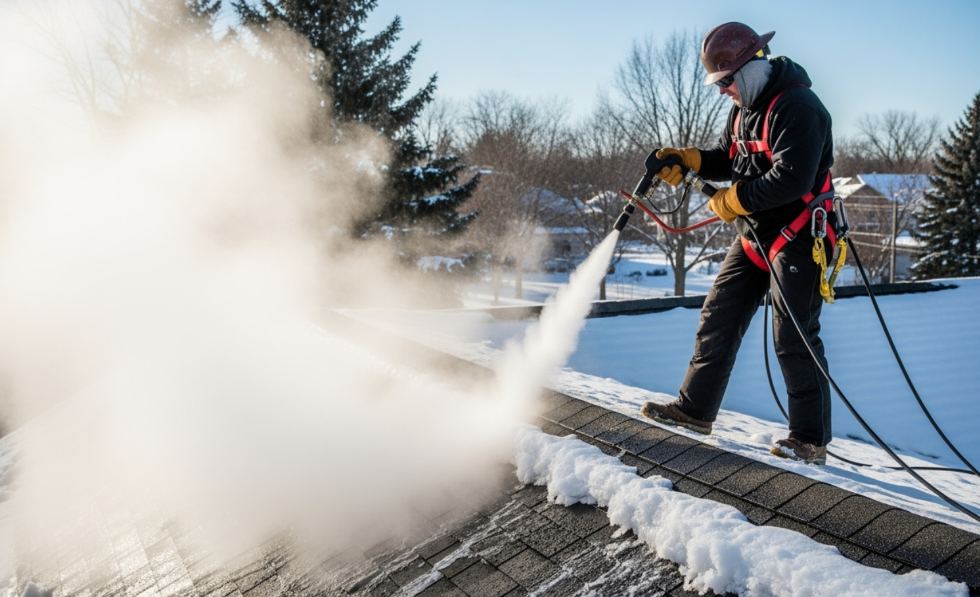
What we use: low-pressure steam. A steam machine cuts channels through the dam and releases it in sections, melting ice with heat instead of blasting it with force. It's the only removal method that takes ice off a shingle roof without collateral damage.
What we won't use, and what to watch for from anyone else:
- Pressure washers. They remove ice and granules together. A "cheap" pressure-wash removal costs a strip of your roof's remaining life.
- Hammers, hatchets, and ice picks. Every spring we repair eaves that a winter chipping job destroyed. Ice bonds to shingles; chip the ice and the shingle comes with it.
- Rock salt and ice-melt pucks. Sodium chloride corrodes gutters, fasteners, and flashing, kills the landscaping under the drip line, and stains the roof. The sock-of-calcium-chloride trick you'll see online is marginally gentler and still a Band-Aid that buys days, not a fix.
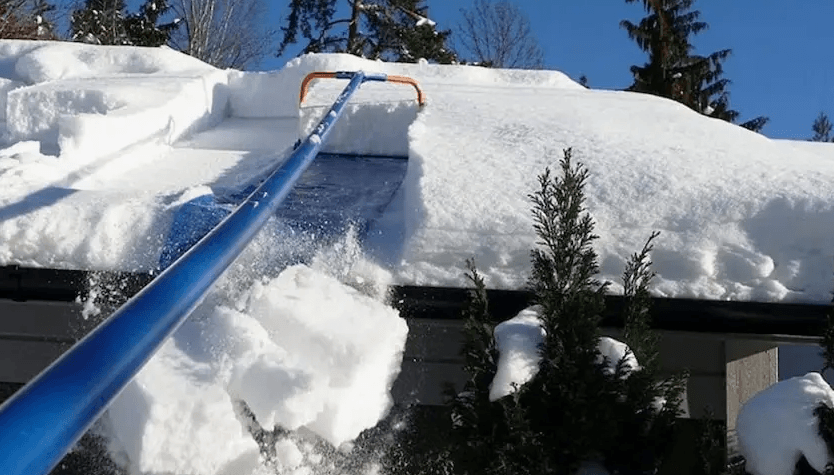
What you can safely do yourself: rake the bottom three or four feet of the roof from the ground with a roof rake after storms (leave a couple inches of snow so the rake never touches shingle). No ladders, no climbing, no chipping. Removing the snow supply above the eave is legitimately effective prevention between storms, and it's free.
How to Prevent Ice Dams Permanently
In order of value per dollar:
1. Air-Seal the Attic Floor
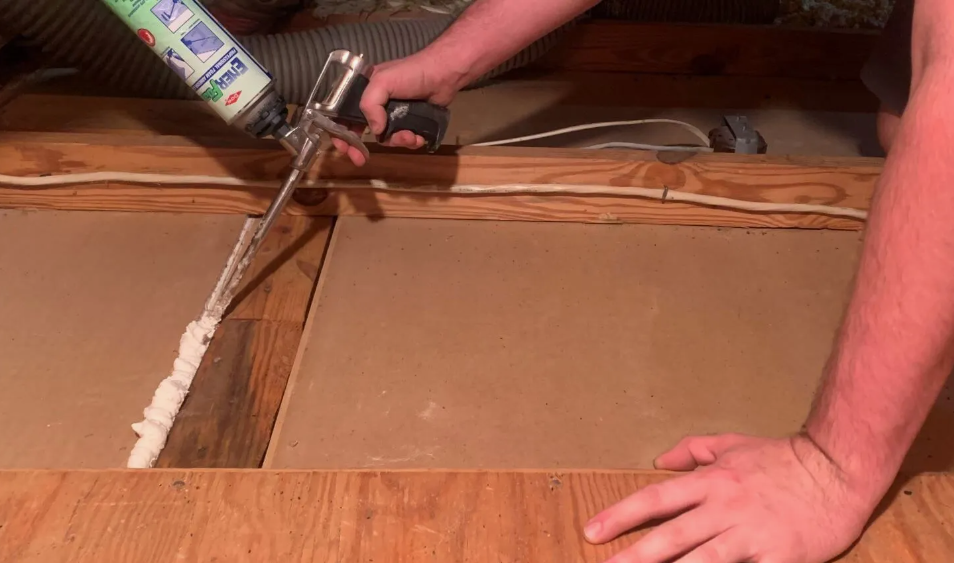
This is the cheapest item on the list and the biggest single mover, because you cannot insulate your way out of an air leak. The standing inventory we work through: recessed can lights, bath fan housings, the attic hatch, plumbing vent stacks, wiring penetrations, gaps at top plates, the chase around the chimney or furnace flue, and any whole-house fan. Small gaps get foam, large chases get rigid foam and foil tape, and anything near a flue gets high-temp fire-rated sealant with the clearance code requires, never expanding foam. One specific trap in the valley's 1970s and 80s homes: older non-IC recessed cans legally can't be buried in insulation, so they leak heat by design. They get airtight IC-rated retrofit fixtures or sealed boxes built over them. On a cold morning, a thermal camera finds every one of these in about fifteen minutes, which is how our inspection prioritizes the list instead of guessing.

2. Get Heat and Moisture out of the Attic Entirely
Bath fans, range hoods, and dryers must terminate outside through insulated duct with a working damper, not into the attic and not into a soffit vent, where the moisture gets pulled straight back in through the intake. A remarkable number of valley bathrooms vent into open attic space; it becomes deck frost in January and a mold question in March. The bigger heat source people miss: HVAC ductwork and air handlers living in the attic. Leaky supply ducts pour conditioned air directly onto the roof deck, and sealing them with mastic and insulating to R-8 is often the single largest heat-loss fix in the house.

3. Insulate to Current Depth, and don't Miss the Hard Parts
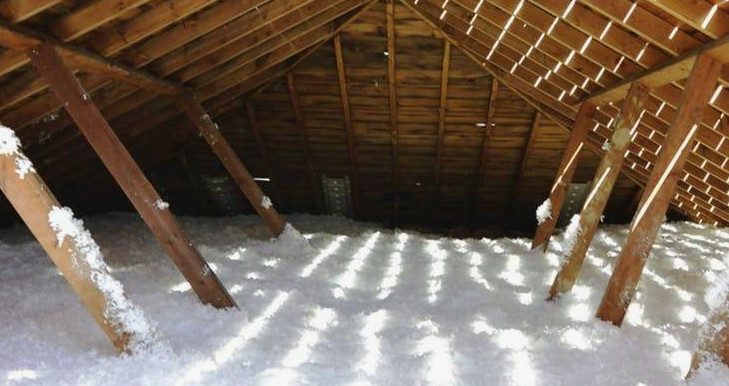
Cache Valley sits in climate zone 6, where code calls for roughly R-49 to R-60 in attics; the settled six inches in many older valley homes measures closer to R-20. Blown fiberglass or cellulose goes over the sealed floor with depth markers so the job is verifiable, baffles (ProVent, AccuVent, or similar) hold the airway open at every rafter bay, and the attic hatch gets its own insulated, weatherstripped cover. The hard part specific to Logan's historic blocks: story-and-a-half homes, the bungalows and Cape Cods along the Center Street and Adams neighborhoods, have knee wall attics and sloped ceiling sections that a standard blow-in job simply cannot reach. Those need the knee wall backs sealed and insulated and the slope handled as its own assembly, and skipping it is why some of those houses dam every single winter no matter how much insulation goes in the flat part.

4. Balance the Ventilation so the Attic Stays Cold
The working spec is roughly one square foot of net free vent area per 300 square feet of attic floor when intake and exhaust are split evenly, and the split is the part people get wrong. Ridge vent with no soffit intake pulls its air from inside your house. Snow-country detail: use an externally baffled ridge vent (Air Vent's ShingleVent II, GAF Cobra rigid vent, and similar) because unbaffled ridge products let wind-driven snow blow straight into the attic during a storm. Two things not to do: don't mix a ridge vent with open gable vents, which short-circuits the airflow so it never reaches the eaves, and don't run a powered attic fan in winter, which depressurizes the attic and pulls heated air up out of your living space, making dams worse while running up the power bill.

5. Ice-and-Water Shield when the Roof is Replaced
Self-adhered membrane at eaves, valleys, sidewalls, skylights, and any low-slope tie-in. Common systems: GCP's Grace Ice & Water Shield, CertainTeed WinterGuard, GAF WeatherWatch and StormGuard, Owens Corning WeatherLock. Code minimum is coverage to 24 inches inside the exterior wall line, and on low-pitch roofs or homes with deep eaves we run additional courses beyond it, because on those geometries the code line lands short of where the dam actually forms.
6. Fix the geometry that creates the ice
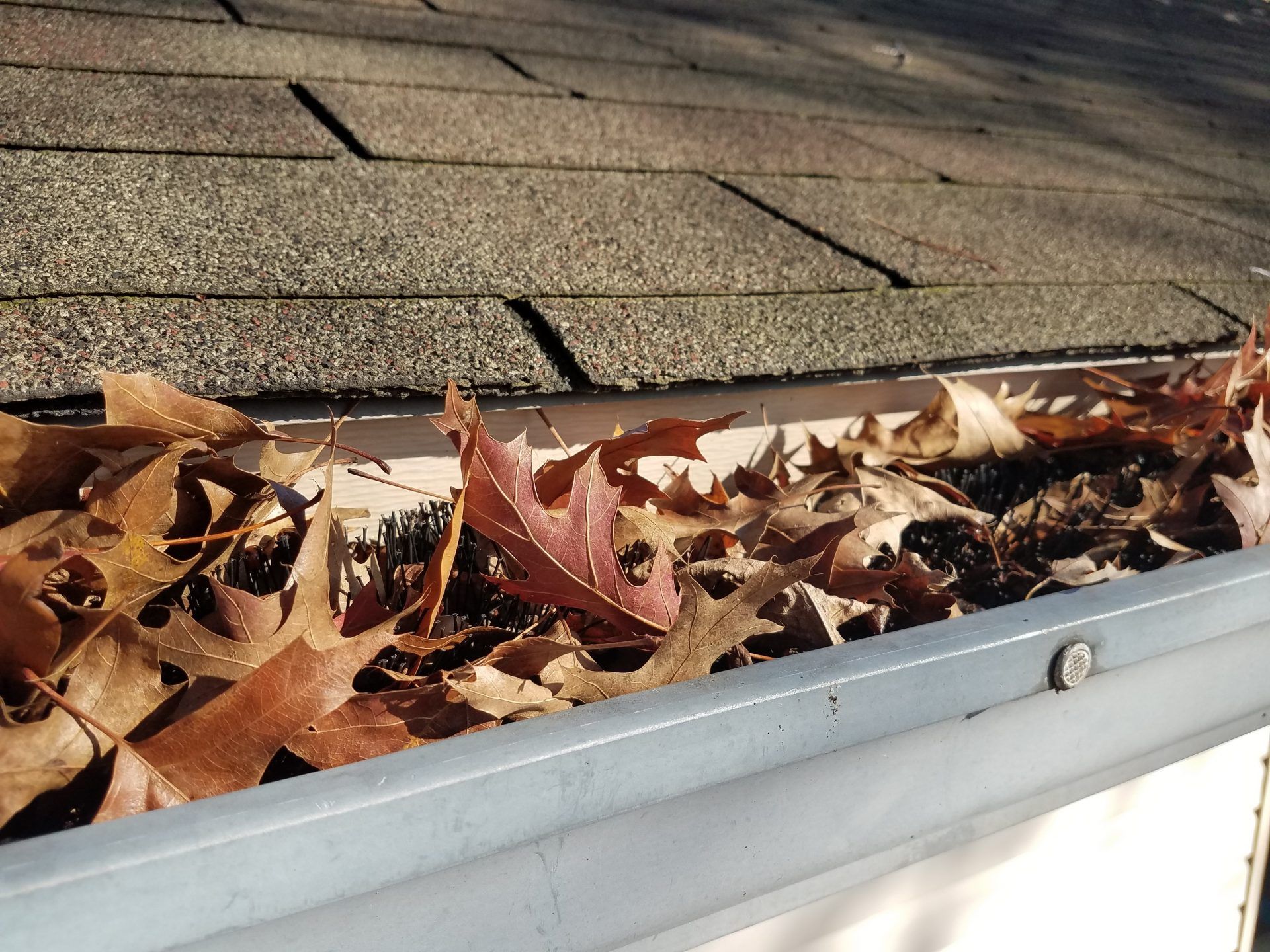
Some dams are architectural. A chimney with no cricket or saddle behind it dams snow on its uphill side every winter. Dead valleys behind dormers hold shaded ice for months. Gutters full of last fall's leaves give meltwater nowhere to go the moment it does thaw. These get built or cleared, not insulated around.

Rebates and Assistance Worth Asking About
Attic insulation and air sealing are among the most commonly incentivized home improvements in Utah, and most homeowners we meet don't know it. Worth checking before you pay full price:
- Enbridge Energy Utah has historically offered ThermWise rebates on attic insulation and air sealing for natural gas customers, which covers most of the valley.
- Rocky Mountain Power's wattsmart program serves homes outside Logan city limits with efficiency incentives.
- Logan City Light & Power is its own municipal utility rather than Rocky Mountain Power, so homes inside Logan check their programs separately. It's the detail that trips up homeowners reading generic Utah advice.
- Bear River Association of Governments (BRAG) in Logan administers weatherization assistance for income-qualified households across Cache, Box Elder, and Rich counties, which can cover insulation and air sealing outright.
We don't process rebates for you, and we'll tell you honestly that we're roofers rather than rebate specialists. What we will do is document the work with the invoices and R-value specifics these programs ask for, so applying is straightforward.
What Ice Dam Removal Costs in Logan
Typical Cache Valley market ranges; estimates only. Your exact number comes from a free inspection: measured, photographed, and itemized.
The math worth doing: two or three removals plus one ceiling repair costs about what the permanent attic fix does, and the attic fix also cuts your heating bill every month it's cold. We'll show you both numbers side by side.
"You can pay for ice dams every January, or once."
Our Process
01
Triage Call
If water's coming in, we walk you through interior protection on the phone and prioritize dispatch. If it's ice without water (yet), we schedule promptly and honestly instead of selling you an emergency.
02
Steam Removal
Channels first to release ponded water, then sectional removal, photographed before and after. We clear the gutters and downspouts the dam froze shut while we're up there.
03
Find the Feed
Every removal includes the attic-side look: where the heat's escaping, what the insulation measures, whether the bath fan is dumping into the attic. The dam is the symptom; this is the diagnosis, and it's included.
04
The Permanent Plan
Written prevention plan with line-item pricing, ranked by value per dollar, from a $40 hatch gasket to the full insulation package. You fix what you choose, on your timeline; the report is yours either way.
Why Logan Homeowners Trust Us With Ice Dams
Steam only, and we can prove it
Before-and-after photos with every removal showing shingles intact. Ask any pressure-wash or chipping crew for the same photos and watch the subject change.
We fix causes, not subscriptions
A removal company profits when your dams return. Our prevention plan is designed to make your removal calls stop, because replacement-sized jobs from homeowners who trust us beat an annuity of steam visits.
Valley-calibrated urgency
We know the difference between ice that can wait for the Thursday route and water that can't wait an hour, and we'll tell you which one you have on the first call.
Ice Dam FAQs
This Winter's Dam Is Already Being Decided
It's being decided by your attic, right now, in October. One free inspection tells you what it decided and what it costs to change the verdict.
Or Call: 801-880-2885