Metal Roofing in Logan, Utah
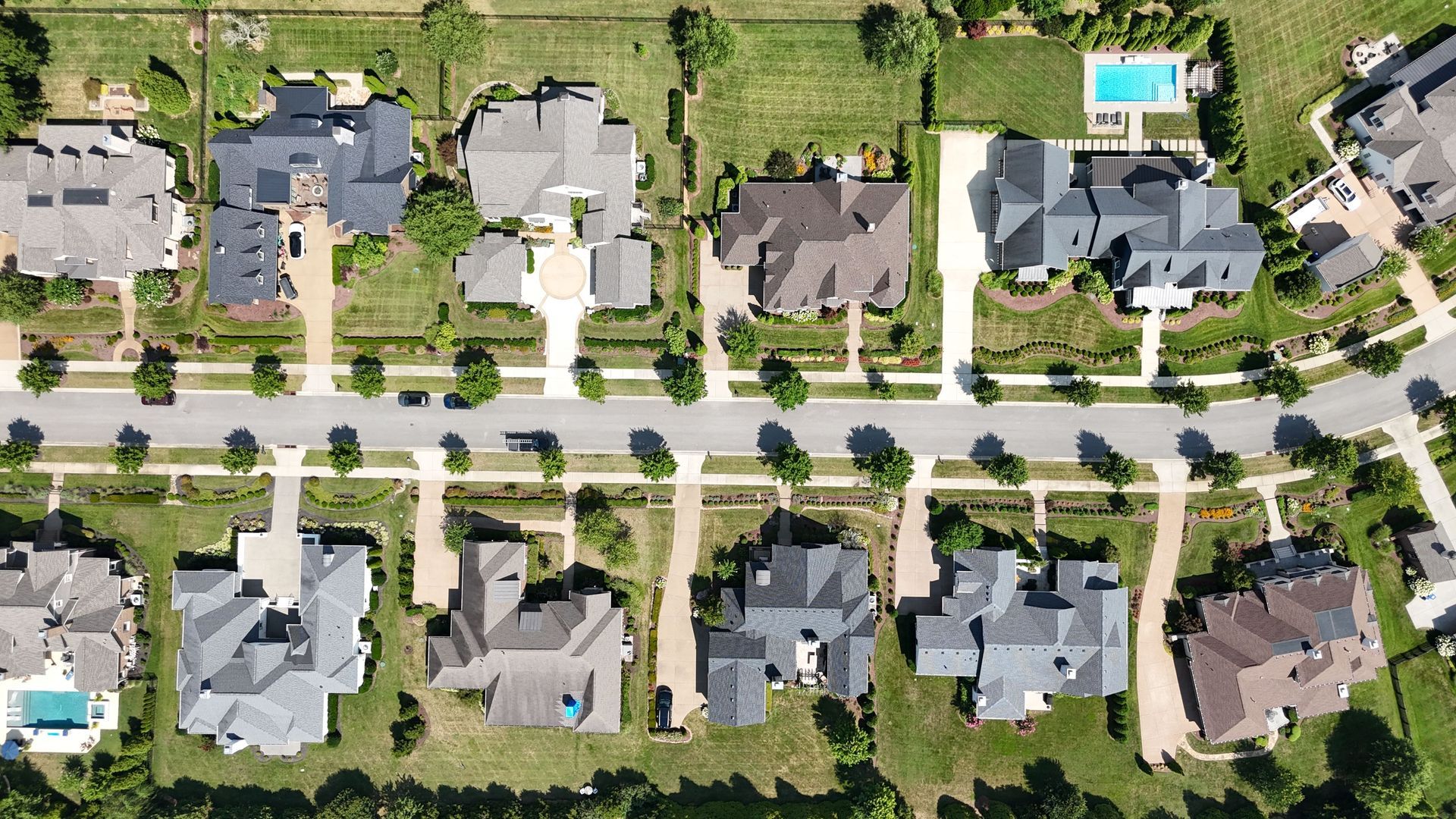
Metal is the roof this valley's climate was asking for. It sheds snow before the load builds, shrugs off the freeze-thaw cycling that cracks asphalt, and runs 40 to 60-plus years against a shingle roof's 20. Drive any bench road from Providence to Smithfield and you can watch the valley figure this out in real time: standing seam going onto new builds and custom homes, panel roofs keeping a century of barns dry, and conversions happening one re-roof decision at a time.
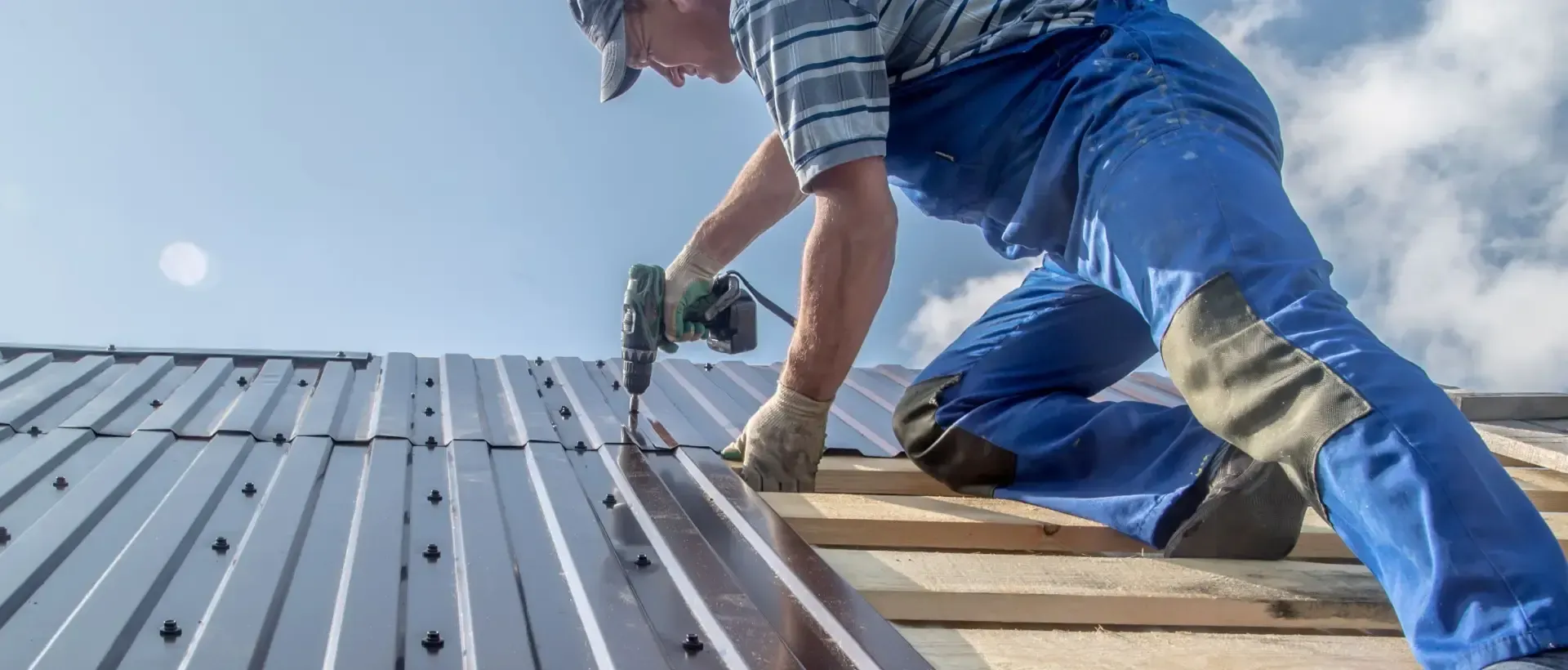
Cache Valley Roofing installs and repairs both tiers honestly. Standing seam with concealed fasteners for homes that want the 50-year answer, and quality exposed-fastener panel for shops, outbuildings, and budgets that want metal's performance without the premium. The difference between a metal roof that lasts half a century and one that leaks at year 12 lives in the details: gauge, finish chemistry, fastening system, underlayment, and snow retention. Those details are the whole conversation below.
Get Your Free Metal Roof Consultation
Standing Seam vs. Exposed-Fastener Metal Roofing
Spec sheet items that decide lifespan here:
- Gauge: 24-gauge steel for snow-country standing seam; 26-gauge has its place on outbuildings, but thinner panels oil-can more and dent easier under ice slide.
- Finish: PVDF paint systems (sold under the Kynar 500 name) hold color for decades; cheaper SMP finishes chalk and fade visibly inside 10 to 15 years, especially on south exposures. On a 50-year roof, finish chemistry is not the place to save.
- Substrate: Galvalume-coated steel for corrosion resistance.
- Underlayment: High-temp synthetic rated for metal, with ice-and-water shield at eaves and valleys, same as our shingle standard.
Is a Metal Roof Good for Snow Country?
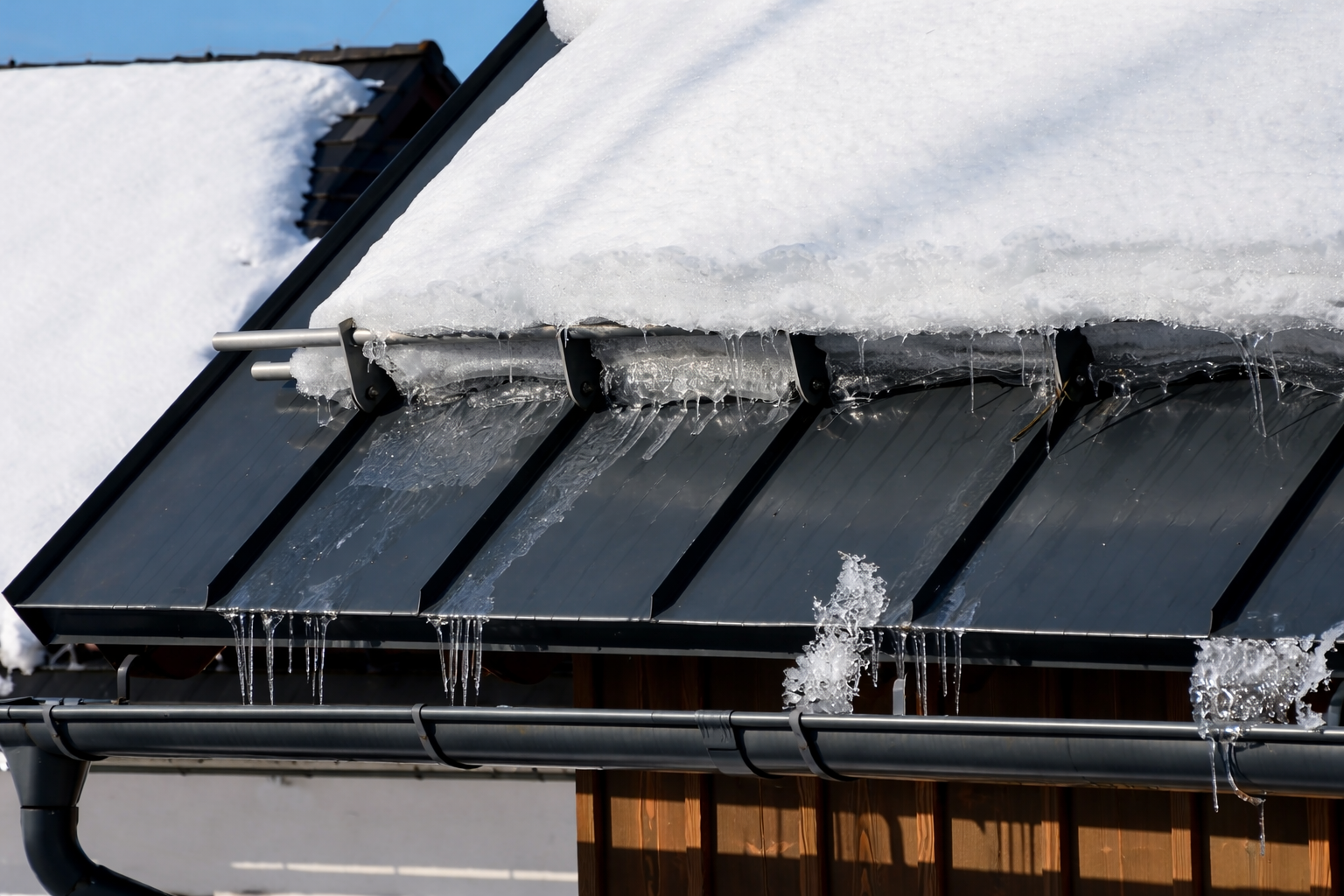
Yes, and it's not close, with one engineering caveat. Smooth metal sheds snow instead of stockpiling it, which takes the load question off the table and starves ice dams of the deep snowpack they feed on. The caveat is that shedding snow has to go somewhere: an unmanaged slide off a steep seam roof can bury a walkway, tear off a gutter, shear a plumbing vent, or flatten a shrub line in one release.
That's why every metal roof we install gets engineered snow retention, not guesswork: S-5! clamp-on systems (ColorGard rail or discrete clamps) that grip the seam without a single penetration in the panel, placed above doorways, walkways, gas meters, and gutter runs, in patterns matched to the roof's pitch and the drift lines the Bear River Range storms actually load. Metal solves the snow problem; retention decides where it solves it.
Metal Roofing Services We Offer
Standing Seam Installation
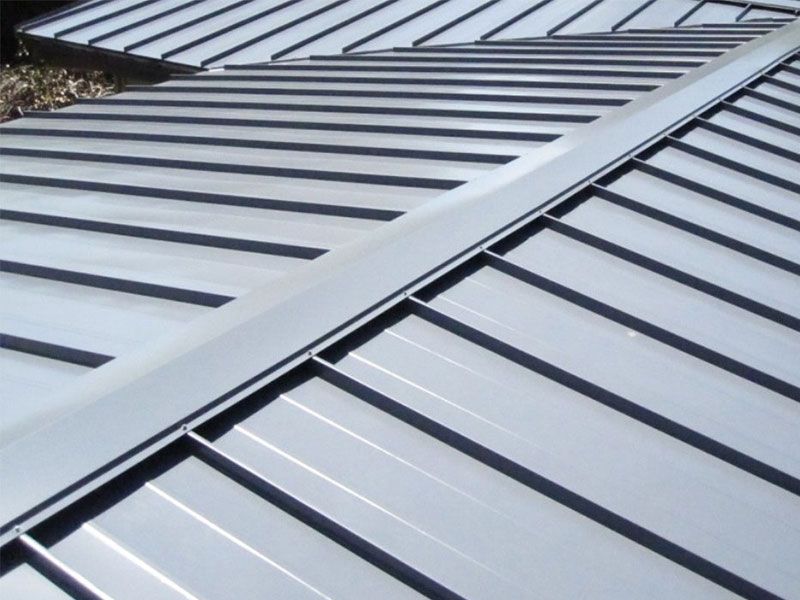
Panels rollformed to length in 16 or 18-inch widths, with striations or minor ribs where the run is long enough that oil canning would otherwise show. Our default spec is 24-gauge Galvalume steel in a PVDF finish, from lines like McElroy Metal, ASC Building Products, Metal Sales, and Bridger Steel. Most common on the custom builds and bench homes from Providence up through North Logan and Smithfield, where the wind exposure and the fifty-year outlook both argue for concealed fasteners.

Exposed-Fastener Panel Roofing
The workhorse of Cache Valley agriculture: R-panel and PBR profiles, U-panel, and classic corrugated, in the gauges and finishes that suit each building's job. We roof and re-roof dairy free-stall barns, calf barns, hay covers, machine sheds, and shops from Amalga and Trenton up through Lewiston, Clarkston, and Cornish, plus plenty of homes where the budget favors panel and the roofline suits it.
Cabin & Canyon-Property Roofing
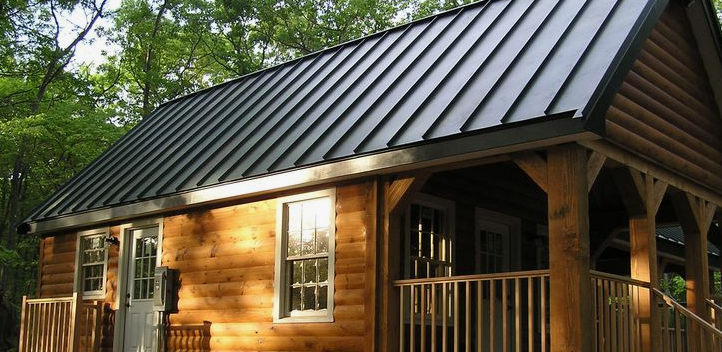
Metal is close to standard up Logan Canyon and around Beaver Mountain, Tony Grove, and the Sinks, for two reasons: nobody is there in February to notice a problem, and the snow needs to leave the roof on its own. Two more considerations we detail for canyon properties: Class A fire-rated assemblies matter on parcels bordering Uinta-Wasatch-Cache National Forest land, and access windows are short, so cabin work gets scheduled around the road, not the calendar.



How to Compare Metal Roofing Bids
Panels and paint get all the attention in a metal bid, and they're the easy part to price. The details below are what actually decide whether you get fifty years or twelve, none of them are visible from the driveway, and they're where a suspiciously low number usually comes from. Read them as a scorecard for every bid you're holding, ours included:

Floating Clips that let the Roof Move
A long steel panel can gain and lose meaningful length across a 100-degree surface swing, which this valley delivers routinely. Expansion clips and slotted fastening let panels move; fixed-clip installs on long runs fight that movement until something gives, usually the seam or the fasteners.
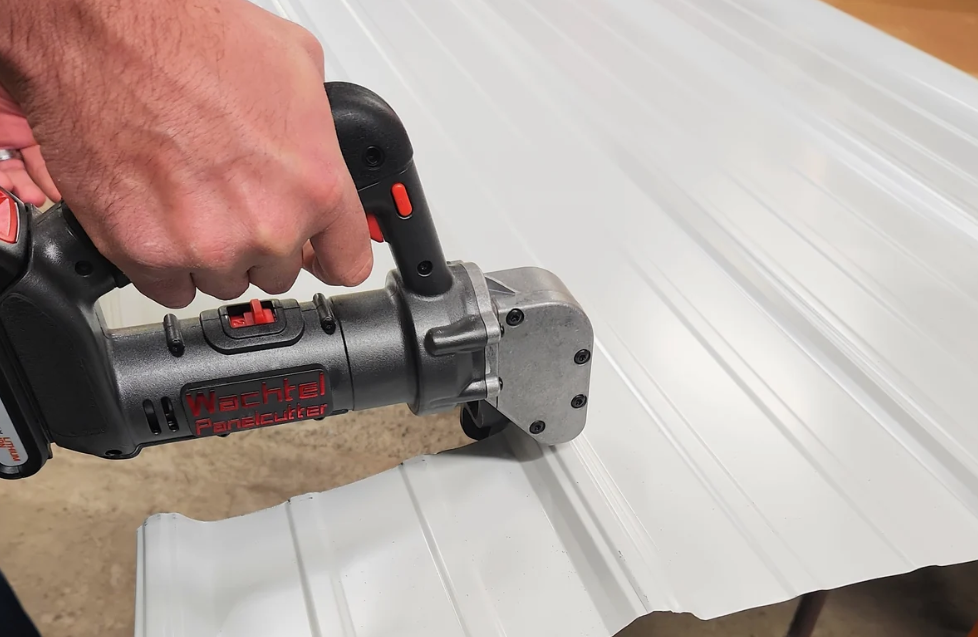
Panels Cut with Shears or Nibblers, Never an Abrasive Saw
A chop saw throws hot steel filings that embed in the finish and bloom into rust freckles the following spring, and it voids most paint warranties outright. Ask how a bidder cuts panels. The answer tells you more about the crew than a portfolio does.
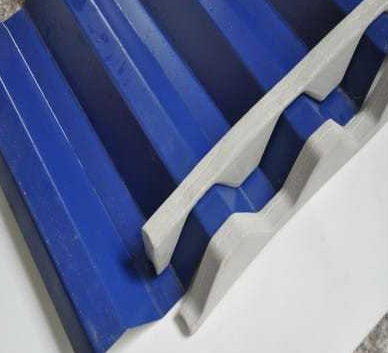
Proper Closures at Eave and Ridge
Foam or metal closures block wind-driven snow from being pushed up under the panel ribs, which is how "leaks" appear on a roof with no holes in it. Vented ridge closures keep the attic airflow the rest of the roof depends on.
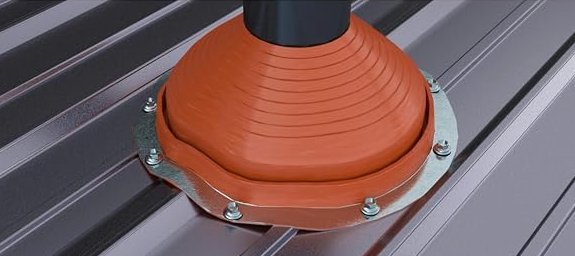
Penetrations Flashed for Metal, not Adapted from Shingle Parts.
Curb-mounted flashings and high-temp EPDM boots sized to the rib profile, with upslope diverters on anything wide enough to dam snow.

No Dissimilar Metal Contact
Steel touching copper, or steel fastened over treated lumber with the wrong fastener metallurgy, corrodes at the contact point. It's a slow failure that shows up long after the crew is gone.
Our Metal Roofing Process
01
Free Consultation
Roof, attic, and site walk: pitch, drift patterns, slide paths over doors and walkways, and whether your framing suits the system you want. Photographed and explained.
02
Straight Answer
Line-item estimate in 24–48 hours covering both tiers where both make sense, with gauge, finish, and snow retention specified in writing, not left as "contractor's choice."
03
The Work
Panels ordered to measure, tear-off with same-day dry-in, clip-fastened installation to the manufacturer's spec, closures and flashings detailed for wind-driven snow.
04
Walkthrough & Warranty
Completion photos including seam and closure details, paint-system warranty registered, workmanship warranty in writing.
What Metal Roofing Costs in Logan
Typical Cache Valley market ranges; estimates only. Your exact number comes from a free inspection: measured, photographed, and itemized.
The honest math: standing seam costs roughly double architectural shingle up front and lasts two to three times as long with less maintenance. On a forever home or an ag building you intend to keep, it usually wins the cost-per-year race. On a house you'll sell in five years, it usually doesn't. We'll run your version of that math with you.
Per bid, metal costs the most. Per year, it costs the least. The question is which number is yours.
Why Logan Homeowners Choose Us for Your Metal Roof
We spec the boring details in writing
Gauge, PVDF vs. SMP finish, clip system, underlayment, and retention layout appear as line items on every estimate, which makes our bids comparable and the cheap bids legible for what they are.
Ag roots, residential finish
The same crew that re-screws barn roofs out toward Amalga installs architectural standing seam in Providence. Metal is a core trade for us, not a subcontracted sideline.
Metal Roofing FAQs
The Last Roof Decision You'll Need to Make
Free consultation, both tiers priced honestly, and every spec in writing.
Or Call: 801-880-2885