Roofing in Nibley, Utah
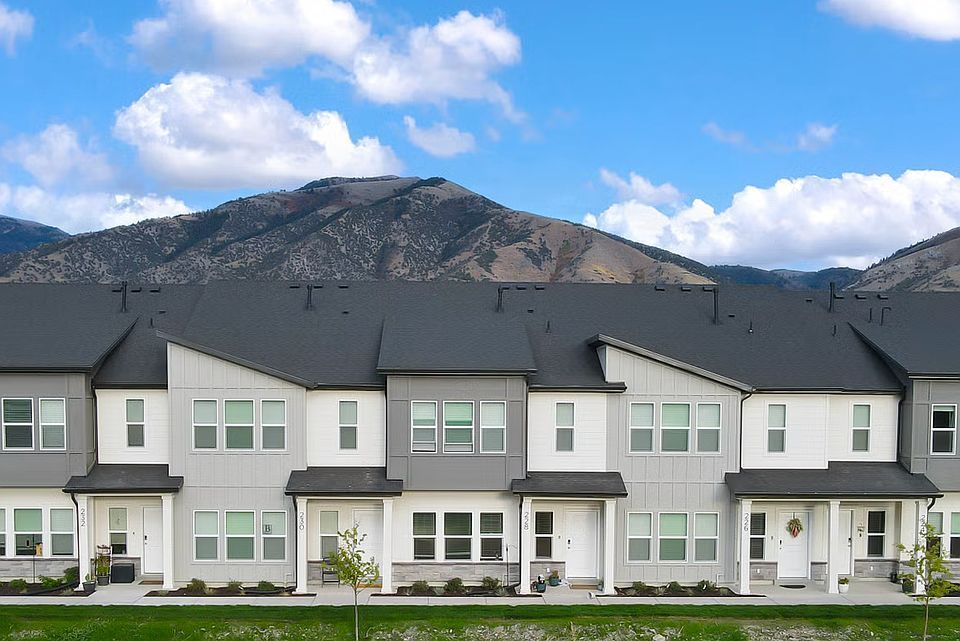
Nibley is the youngest town in Cache Valley and the fastest growing, which makes it the one place where nearly every roof went on inside the same couple of decades. Farm ground became subdivisions street by street through the 2000s and 2010s and it hasn't stopped, so a town that had a few hundred homes in living memory now has thousands, most of them roofed with the builder-grade architectural shingle that was standard the year they were framed. That's a genuine advantage right now. It's also a countdown, because roofs installed together fail together, and this town's clock runs out on a lot of streets at once.
Cache Valley Roofing repairs and replaces roofs across Nibley, from the first subdivisions now entering their second decade to the streets still being built. Every job starts with a free inspection and photos of what we find, and given how young the housing here is, checking the attic ventilation on a house nobody thinks is old enough to need it isn't a specialty service. It's just what inspecting a Nibley roof means.
Get Free Nibley Roof Inspection
Roofs in Nibley: New Doesn't Mean Immune
The town-wide clock. When an entire community gets built in one long stretch, it inherits one shared roofing timeline. The same shingle lines, the same handful of crews, the same spec, and therefore the same failure window twenty to twenty-five years out. Nibley's earliest subdivisions are already inside the front edge of that window and the rest is coming. Practically, that means two things worth knowing. First, when your street starts re-roofing, it isn't a coincidence and it isn't a sales pitch, it's arithmetic. Second, the homes that get inspected early tend to buy years, because catching a ventilation problem or a run of failed pipe boots at year twelve costs a fraction of what it costs at year twenty.
What actually fails on newer homes. People assume a young roof is a healthy roof, and the assumption costs money here. The recurring finds in Nibley are consistent: builder-grade pipe boots whose neoprene splits five to ten years before the shingles around them are done, attic ventilation installed to the minimum spec of the build year rather than to what a Cache Valley winter asks, soffit vents buried under blown insulation with no baffles holding the airway open, bath fans exhausting into the attic instead of outside, and post-construction penetrations from satellite dishes, solar mounts, and HVAC work that were never flashed properly by whoever added them. None of that means the roof is failing. All of it means the roof will age faster than it should if nobody looks.
What Nibley Roofs Are Up Against
An entire town on one replacement clock. Same materials, same install window, same end of life arriving street by street.
Builder-grade components. Pipe boots and flashing specced to cost, frequently failing years before the field shingles do.
Minimum-spec attic ventilation. Legal at the time of build and short of what this valley demands, which is why new homes still grow ice dams.
Post-construction penetrations. Satellite mounts, solar, and HVAC added after the roofers left, and rarely flashed to the same standard.
Open, flat exposure. Former farm ground with little natural windbreak, so wind works the ridge and rake lines of large modern rooflines.
Roofing Services in Nibley
List of Services
-
Roof RepairList Item 1
Split pipe boots, failed post-construction flashing, and wind-lifted shingles, caught while they're still cheap.
-
Roof InspectionsList Item 3
Free and photographed, and the highest-value thing a ten-to-fifteen-year-old Nibley roof can get.
-
Roof Replacement
Tear-offs that fix the ventilation and the flashing the first roof got wrong, not just the shingles.
-
Attic Insulation & VentilationList Item 4
Buried soffit vents, missing baffles, and bath fans venting into the attic on houses far too new for ice dams.structure.
-
Shingle Roofing
Cold-flex and SBS-modified upgrades over the builder-grade product the neighborhood was built with.
Nibley Roofing Questions
North along the bench: Providence, where the canyon wind and the older core near the historic rock church make for a different set of problems.
An Honest Look at Your Nibley Roof
The whole town's roofs are on one clock. Find out where yours sits before your street decides for you.
Or Call: 801-880-2885