Roof Replacement in Logan, Utah
A Cache Valley roof doesn't age evenly. The south slope bakes through two hundred freeze-thaw cycles a year while the north slope sits under snow from Thanksgiving to March, quietly wicking moisture into every crack the cold opens up. That's why a 25-year shingle in Logan often taps out closer to year 18, and why the first sign of failure here usually isn't a missing shingle you can see from the driveway. It's a ceiling stain in April, fed by damage that started months earlier.
Cache Valley Roofing replace roofs across Logan and the valley from the deck up: full tear-off, decking inspected sheet by sheet, cold-rated synthetic underlayment, ice-and-water shield run well past code minimum at eaves and valleys, new flashing, and ventilation corrected so your new roof doesn't inherit the attic problems that killed your old one. Before any of that, a free inspection with photos tells you whether you actually need a replacement at all. If a repair buys your roof five more winters, that's what we'll recommend, in writing.
Get Your Free Roof Inspection
Roof Repair vs. Replacement: How to Decide
Not every damaged roof needs replacing. Here's how to know what yours needs:
The neighborhood clock: Whole stretches of the valley were roofed in the same few years. Builder-grade shingles went on hundreds of homes at once in Nibley, the North Logan benches, and the subdivisions off Green Canyon during the 1990s and 2000s building runs, and those roofs are now hitting end-of-life together. If your neighbors are re-roofing, it's not coincidence. It's the same product from the same decade failing on the same schedule. A free inspection tells you where your roof sits on that clock.
What's Included in a Full Roof Replacement

Complete Tear-Off
No layovers. A second layer traps moisture between shingle beds through every freeze, hides rotten decking, and adds dead weight to a structure that already carries months of snow. We strip to the deck, every time.

Decking Inspection, Priced Per Sheet
Every sheet checked after tear-off. Rot and delamination get photographed and replaced at the per-sheet price already in your estimate, so a surprise never becomes a change order.

Ice-and-Water Shield Past Code Minimum
Code requires membrane from the eave to a point inside the warm wall. In this valley we run it further up the slope and through every valley and dead valley, because the code line assumes an average winter and Cache Valley doesn't do average winters.

Cold-Rated Synthetic Underlayment
High-performance synthetics that stay flexible and sealed through minus-degree snaps, not builder-grade felt.
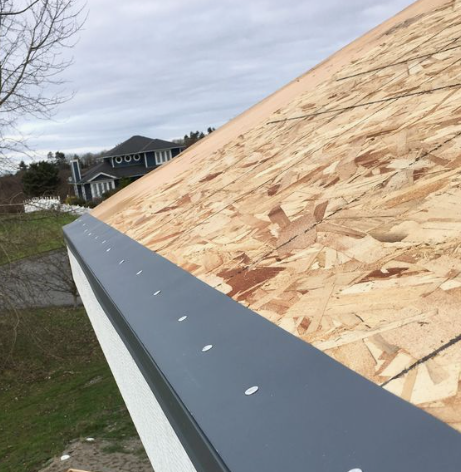
New Flashing and Drip Edge Everywhere
Chimneys, furnace and wood-stove flues, sidewalls, skylights. Reused flashing is where next winter's leak starts.
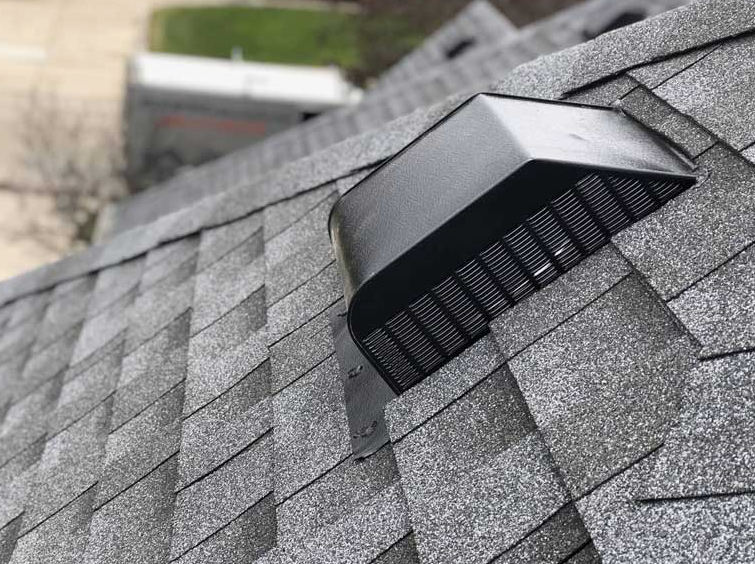
Ventilation corrected, not copied
Balanced intake and ridge exhaust calculated for your attic. This is the single biggest factor in whether your new roof grows ice dams, and most valley roofs we tear off were ventilated wrong the first time.

The Best Roofing Materials for Snow Country
Green bars show installed cost on a shared $0–$40,000 scale; gold bars show realistic Cache Valley lifespan on a shared 0–60 year scale. Typical market ranges; estimates only.
One honest note on the math: the premium shingle upgrade typically adds 15–25% to material cost and buys real years in this climate. The cheapest bid usually means builder-grade product, and the valley already ran that experiment. It's the roofs failing early in Nibley right now.
How Long Does a Roof Replacement Take?
- Before we start: Materials delivered, driveway and landscaping protected, dumpster placed where it won't block you in. We confirm timing around weather windows, which matters here from October on.
- Day 1: Tear-off and decking inspection. Any bad sheets photographed, approved by you, replaced at the estimate's per-sheet price. Dry-in membrane goes down the same day, so your house is never open to a surprise storm.
- Day 2: Ice-and-water shield, underlayment, flashing, and the field. Most single-family homes in the valley finish shingling this day.
- Day 3 (larger/steeper roofs): Ridge caps, ventilation, final details, magnetic nail sweep of lawn and driveway, haul-off.
- After: Final walkthrough with completion photos, manufacturer warranty registered, workmanship warranty in writing.
Most valley homes: 1–3 days. Steep-pitch historic homes and metal conversions run longer, and we tell you that before we start, not during.
Our Roof Replacement Process
01
Free Inspection
We walk the roof and the attic. Insulation depth, ventilation, and frost staining on the deck get checked alongside the shingles, because a replacement that ignores the attic is a down payment on new ice dams. Plan on about an hour. You don't need to be home for the roof side, but we'll need someone to point us to the attic hatch, and we'd rather you join us: everything we find gets shown to you on the spot, not just written up later.
02
Straight Answer
Line-item estimate within 24–48 hours: materials, tear-off and disposal, decking per sheet, permits, ventilation. If a repair is the smarter play, the estimate says so. This is also where you pick your material and color; we bring physical sample boards, and if you're in an HOA neighborhood we'll check the approved palette before you fall in love with the wrong charcoal. The estimate holds for 30 days, deposit and payment terms are spelled out in writing, and once you sign we order materials and give you a real install date, weather permitting.
03
The Work
Honest expectations for replacement week: it's loud. Tear-off sounds like a hailstorm from inside, so plan around it if you work from home, and skittish pets do better spending day one elsewhere. Before the crew arrives, pull your cars out of the garage (you won't get out past the dumpster later), take fragile items off walls and shelves on upper floors, and cover anything precious stored in the attic, because tear-off vibration rains grit through the gaps. We place the dumpster on protection boards, tarp the landscaping and stucco, and keep the drop zones taped off. The non-negotiable rule: we never open more roof than we can dry in the same day, so a surprise afternoon storm hits membrane, not your living room. Nightly cleanup and a nightly magnet sweep, every day of the job.
04
Walkthrough & Warranty
We walk the finished roof with you, hand over completion photos of the details you can't see from the ground (flashing, valleys, ridge vent), run the final magnetic sweep of lawn, beds, and driveway, and schedule the city final inspection where the permit requires one. Payment is due at completion per the written terms, never in full up front. We file your manufacturer warranty registration (unregistered warranties are the industry's quietest scam) and you get our workmanship warranty in writing. And if your mower still finds a stray nail in June, call us; we'll come run the magnet again.
What Roof Replacement Costs in Logan
Typical Cache Valley market ranges; estimates only. Your exact number comes from a free inspection: measured, photographed, and itemized.
What moves the number: square footage, pitch and stories, tear-off layers, decking condition, material tier, and how many penetrations (chimneys, flues, skylights) need flashing. Your estimate itemizes every one of those lines so you can compare it against any other bid in the valley, apples to apples.
Two bids $5,000 apart are usually two different roofs. The line items are how you find out.
Why Logan Homeowners Choose Us for Replacement
We spec for the valley, not the catalog
Cold-flex shingles, membrane past code minimum, and ventilation math done for a Cache Valley attic. A roof specced for the Wasatch Front is a roof specced for a milder winter than yours.
The estimate is the price
Decking contingencies are priced per sheet up front, so the number you sign is the number you pay.
Attic included, always
We're the inspection that goes inside. Half of what kills valley roofs is visible only from the attic side.
Roof Replacement FAQs
Find Out Where Your Roof Stands
One free inspection and you'll know: repair, replace, or relax for another five years. Photos, a written answer, and a number that holds.
Or Call: 801-880-2885