Roofing in Wellsville, Utah
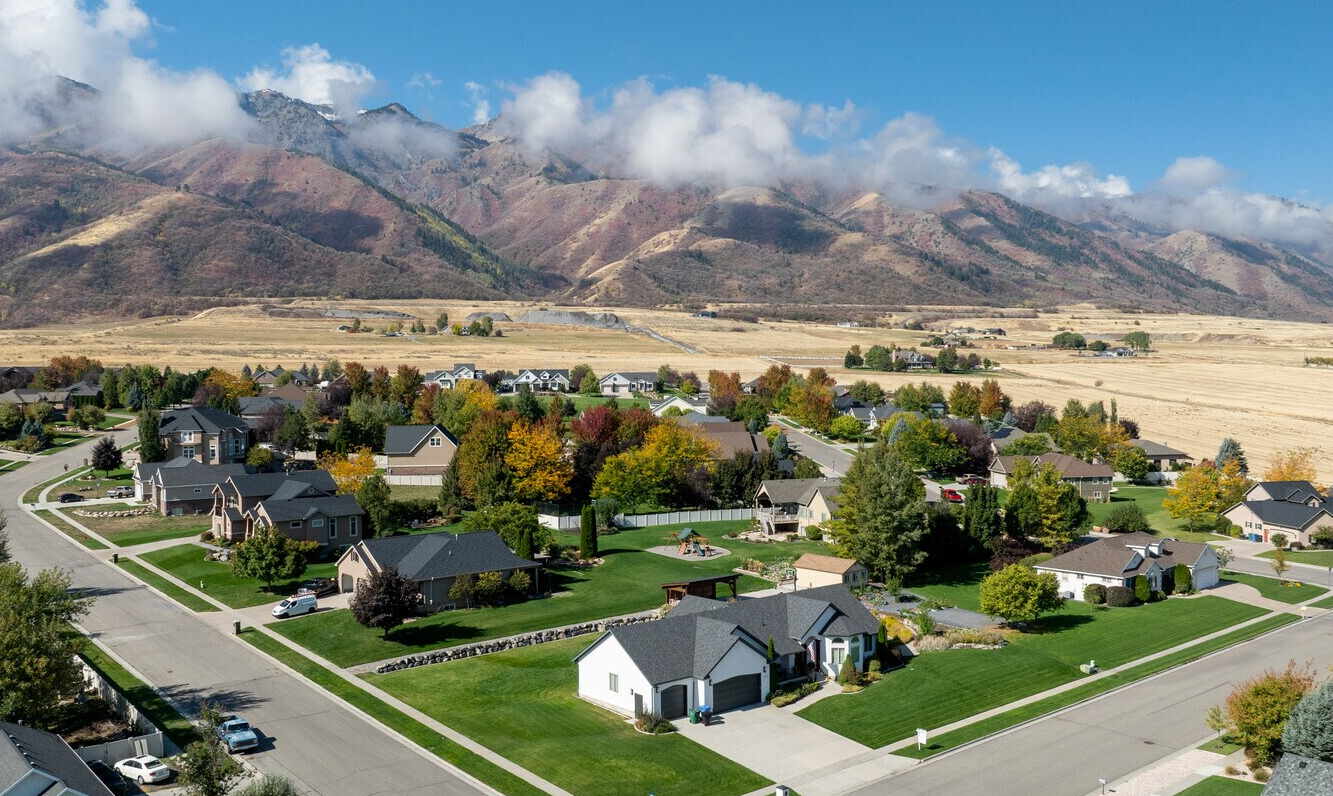
Wellsville was the first settlement in Cache Valley, founded in 1856, and it sits in the most exposed spot in it. The Wellsville Mountains rise behind the town in one of the steepest, narrowest faces of any range in the region, and just south the highway climbs Sardine Canyon toward Brigham City. That geography is the whole roofing story here. Air moving over the summit and spilling down the west side of the valley hits Wellsville with force the middle of the valley never sees, and it does it to a town whose oldest homes were built before anyone had heard of a wind rating.
Cache Valley Roofing repairs and replaces roofs across Wellsville, from the pioneer-era homes and outbuildings near the old town center to the newer places spreading along the highway corridor. Every job starts with a free inspection and photos of what we find, and given where you live, going over the west-facing slopes and every ridge and rake edge that takes Sardine wind head-on isn't a specialty service. It's just what inspecting a Wellsville roof means.
Get Free Wellsville Roof Inspection
Roofs in Wellsville: The Wind Gets a Vote
Wind first, because it always is. Most towns in this valley have a wind conversation. Wellsville has a wind problem. Sitting where it does, against the range and near the canyon, the town takes gusts that find every unsealed edge on a roof and then come back next week to finish the job. What we see here more than anywhere else in the county: ridge caps gone entirely, rake edges lifted and folded back, drip edge bent away from the fascia, and shingles creased in long lines across the west-facing slope. That last one matters most, because a creased shingle usually lays back down looking normal while having permanently lost its seal, so a roof can lose a hundred bonds in one afternoon and appear untouched from the driveway until the next storm takes the tabs. On this side of the valley, six-nail fastening and genuinely high-wind rated product are not upgrades. They're the minimum that makes sense.
Then the age of the place. Being the valley's first town means Wellsville holds some of its oldest roofs. Pioneer-era homes with board decking, steep pitches, chimneys built generations before step flashing became standard, and outbuildings that have been re-covered so many times nobody remembers what's underneath. Those get inspected before they get quoted, photographed layer by layer, and priced with decking per sheet up front. The American West Heritage Center down the road preserves the era on purpose; plenty of homes in town are preserving it by accident, in the roof structure.
What Wellsville Roofs Are Up Against
- Sardine Canyon wind. The hardest sustained wind exposure in Cache Valley, working ridges, rakes, and west-facing slopes.
- Creased shingles that look fine. Broken seal bonds that lay flat and fail on the following storm, invisible from ground level.
- Pioneer-era construction. Board decking, multiple re-covers, and chimney flashing that predates modern practice.
- Snow on steep, old framing. Historic pitches shed well, but the structures underneath them predate any snow load requirement.
- Outbuildings nobody walks. Sheds, shops, and small barns on the older lots, usually the oldest framing on the property.
Roofing Services in Wellsville
List of Services
-
Storm & Wind damageList Item 2
Documented inspections after Sardine wind events, with honest claimable-versus-wear guidance and dated photos.
-
Roof Replacement
Tear-offs with six-nail fastening, high-wind rated product, and decking priced per sheet for the older stock.
-
Roof RepairList Item 1
Ridge cap rebuilds, creased shingle replacement, and drip edge and flashing correction after a hard blow.
-
Shingle RoofingList Item 4
Cold-flex and SBS-modified shingles rated for the wind this town actually gets, installed as full systems.
-
Metal Roofing
A long-horizon answer for exposed sites, with concealed fasteners and snow retention where it matters.
Wellsville Roofing Questions
East across the south end of the valley: Hyrum, where Blacksmith Fork Canyon and the reservoir set the terms instead.
An Honest Look at Your Wellsville Roof
The wind here gets a vote whether you like it or not. Find out what it's already done: free inspection, photos, honest answer.
Or Call: 801-880-2885